Discover the Dreamlike Landscapes of Equatorial Guinea: The Perfect Destination for Film Shoots and Audiovisual Productions

Discover the Dreamlike Settings of Equatorial Guinea: The Perfect Destination for Film Shoots and Audiovisual Productions

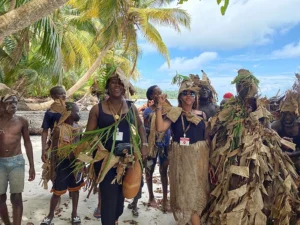
In growing expansion, our country is becoming increasingly known worldwide for being the only African nation where Spanish is spoken, for our natural wealth, and our rich history. Recently, however, our name has also come to the forefront as a potential destination for filmmaking.

That’s right, Equatorial Guinea has great potential to host film productions, music videos, series, TV shows, documentaries, commercials, and more. Don’t believe us? Then we invite you to keep reading this blog post.

The best destination for nature recordings

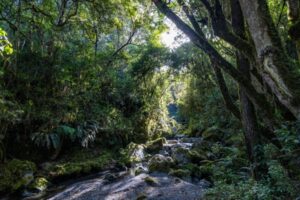
In Equatorial Guinea, we have made efforts to preserve our parks and natural areas intact. This has allowed us to position ourselves as one of the perfect destinations to connect with nature in authentic locations!

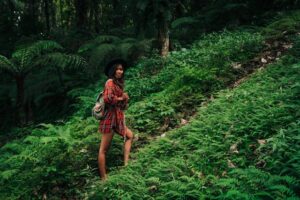
Our natural reserves offer incredible shots of forests and jungles without the need for special effects or CGI. Our landscapes make us the ideal destination for the production of films and programs featuring adventure, romance, nature documentaries, and even reality shows.

You’ll have thousands of square kilometers of dense tropical forests and jungles teeming with flora and fauna. You can capture stunning backgrounds such as waterfalls, the waters of the Gulf of Guinea, or spectacular beaches with crystal-clear waters. Moreover, there are mountains and extinct volcanoes that provide the best scenery.

An industry on the rise

While Equatorial Guinea may not make headlines in specialized media for film, TV, or content, our country is indeed pushing to grow in this industry. A testament to this is the international recognition garnered by the first film shot here, “Al final de la carretera,” which won two awards at the 2014 San Diego Film Festival in the United States.

Another notable film shot in our country is the Spanish movie “Los últimos de Filipinas,” filmed in 2016. “Palmeras en la Nieve” is another film that portrays the beauty of Equatorial Guinea, although its storyline is set here but wasn’t filmed in the country.

Since then, our local film industry has grown significantly. Just recently, we were invited to the 21st edition of the Tarifa African Film Festival, which will take place this year.

Ideal Locations in Equatorial Guinea for Multimedia Productions

Divided into two main regions, continental and insular, Equatorial Guinea boasts perfect locations for all types of productions. Here, we’ll tell you about the most important ones:

Malabo - Location: City

Malabo Downtown

As the capital, Malabo offers all the benefits typical of such cities, including an airport, hotels, transportation, high-speed electricity, and internet. Moreover, its rich history and culture provide abundant filming locations.

On one hand, you have a growing, vibrant, and modern city. On the other hand, you’ll find well-preserved colonial architecture, influences from African tribes, and incredible views. Some must-see locations include the Banapa Sanctuary, the National Park, and the Cathedral of Santa Isabel.

Bata - Location: City

Choosing Bata as a location for content productions offers many advantages. For instance, urban life is lively, and the streets are colorful. Additionally, you are closer to the wilder parts of the country.

You can film on its paradisiacal beaches, its fishing port, or the small villages surrounding the coast. You can also visit the aforementioned natural reserve where you’ll find abundant and dense almost virgin tropical forests.

Bioko Island - Location: Island

Arena Blanca

In addition to providing incredible backdrops with abundant vegetation, native fauna, and dense, real trees, we also have beaches! That’s right, along the coast, you’ll find amazing beaches.

For example, Ureka Beach offers a perfect location for filming romantic scenes. Its dark sand contrasts perfectly with its crystal-clear waters and the backdrop of tropical forests, ideal for adventure, survival, and romance productions.

Monte Alén National Park - Location: Ecological Reserve

Monte Alen National Park is one of the prime examples of our natural wealth. This ecological reserve is ideal for filming numerous documentaries. Can you imagine some produced by Amazon Prime Video and RTVE? It would be wonderful.

Within this national park, you’ll find thousands of kilometers of pristine jungles and abundant rainforests. But that’s not all; the amount of wildlife inhabiting here is impressive, featuring large mammals like gorillas.

Annobón - Location: Island

Located in the Gulf of Guinea, near the shores of Gabon but belonging to Equatorial Guinea, the small island of Annobón is a hidden gem waiting to be discovered. Its location makes it excellent as a setting for productions set in paradisiacal islands, beaches, or tropical climates.

Within Annobón, you’ll find white sandy beaches and crystal-clear waters that seem crafted with special effects. Moreover, the island is surrounded by abundant vegetation and features an extinct volcano, Lake Mazafin, which offers rocky formations providing incredible views of the coasts.

Reasons why we are the best choice for nature productions

If you’re still not convinced why we’re the best location for TV, film, or nature documentary productions, these reasons will persuade you!

1. You can find all types of landscapes: beaches, coasts, mountains, tropical forests, jungles, and waterfalls.
2. You’ll encounter abundant flora with vibrant plants and trees.
3. There’s also a huge variety of fauna with unique species like gorillas.
4. You can choose from various locations both on the mainland and islands.
5. You won’t need to use special effects or CGI because our landscapes are so impressive on their own.
6. We’re among the few countries in the world with pristine natural reserves.

We help you with the organization of your trip

If you’ve decided that Equatorial Guinea is the perfect location for your film, TV, digital content production, etc., then we are your best choice.

At Rumbo Malabo, we will assist you in managing all the logistics of your business trip. We provide support, advice, security, and privacy. Just reach out to us to learn about all the services we offer for you.

Picture of Rumbo Malabo

Rumbo Malabo

Tour Operator in Equatorial Guinea

Did you like it? Share it with your friends on any social network and help us grow.

Facebook
Twitter
LinkedIn
Email
WhatsApp
Telegram

Birdwatching Guide for Travelers in Equatorial Guinea

Did you know that Equatorial Guinea is one of the best birdwatching destinations in West Africa? If you’re passionate about nature, photography, or simply looking for a different kind of trip, get ready to look up and fall in love with a sky full of life and color. With over 300 bird species, many of them endemic or hard to find elsewhere in the world, this small country is a gem for birdwatching tourism enthusiasts.
From the misty peaks of Pico Basile to the jungles of Monte Alén and the calm banks of coastal rivers, every corner offers a natural concert of songs, acrobatic flights, and stunning colors.

Read More
Annobonese People

History, Culture and Tradition on Annobon

Annobon, a remote and fascinating island of Equatorial Guinea, boasts a rich history, vibrant culture, and deep-rooted traditions. Influenced by its Portuguese and African heritage, the island’s unique Creole identity is reflected in its language, music, and customs. From traditional dances to community-driven fishing practices, Annobon offers a glimpse into a way of life shaped by resilience and a strong sense of unity.
Read More

Essential Recommendations and Tips for Traveling to Equatorial Guinea

Guinea Ecuatorial

Essential Recommendations and Tips for Traveling to Equatorial Guinea

Hello, adventurous traveler! If you’re planning an adventure to Equatorial Guinea, you’ll find yourself in a unique and fascinating destination, full of lush landscapes, rich biodiversity, and a vibrant culture. However, as with any journey to a lesser-known destination, preparation is key to ensuring a safe and enjoyable experience. In this guide, we’ve compiled the best tips and recommendations for traveling to Equatorial Guinea, from obtaining visas and the importance of vaccinations, to managing local currency and what to expect in terms of climate. Keep reading to discover everything you need to know before embarking on your journey to Equatorial Guinea. We’re here to help you have an unforgettable adventure!

Preparations Before Traveling to Equatorial Guinea

1- Visa and Documentation

Make sure to obtain the relevant Equatorial Guinea visa before traveling. If you have any questions, check online or with us about the specific requirements. Recommendation: carefully read the instructions on your visa. Note that the online visa is valid exclusively for arrivals by plane at Malabo airport. We don’t want you to get stuck at the airport!

2- Valid Passport

Ensure that your passport has at least six months validity from the date of entry into the country. No expired passports, please! Also, always carry the original document with you, not a photocopy or a photo. Nothing beats having the original!

3- Vaccinations

Yellow fever vaccination is mandatory, and it is also recommended to get vaccinated against hepatitis A and B, typhoid fever, and malaria prophylaxis. Your health comes first!

4- Travel Insurance

Important Tip for Equatorial Guinea: Purchase travel insurance that covers medical expenses and repatriation in case of emergencies. Traveling safely is traveling with peace of mind!

Practical Aspects of the Trip

5- Local Currency

The official currency is the CFA Franc (XAF) – beware, do not confuse it with XOF! Carry some cash with you as credit cards are not widely accepted. You wouldn’t want to miss out on buying those souvenirs!

6 - Currency Exchange

Exchanging money isn’t always straightforward. We recommend exchanging currency before your arrival. If you need assistance, feel free to contact us before your trip to explore options. We’re here to help!

7- International Calls - Stay in Touch with Your Loved Ones

Get a local SIM card to facilitate communication. The main providers are GETESA and Muni. Stay connected at all times!

8 - Internet

Internet connection can be slow and may not be available everywhere. Plan your online work accordingly. Take some time to disconnect and enjoy the scenery!

9 - Power

The voltage is 220V. Bring a power adapter if your devices have a different plug type. This way, your gadgets won’t run out of battery!

10 - Language

The official languages are Spanish, French, and Portuguese, along with several local vernacular languages. However, the majority of the population speaks Spanish. Our guides also speak English, although it might not be perfect, so we kindly ask for a little understanding!

Tips for Enjoying Your Trip

11 - Climate and Attire

Equatorial Guinea has a tropical climate. Pack lightweight, breathable clothing, and bring a raincoat or umbrella for the rainy season. Don’t let the rain spoil your outing!

12 - Photography

Always ask for permission before taking photos of people or private properties. Photographing government or military facilities is strictly prohibited—avoid trouble with the authorities!

Normally, this wouldn’t need to be said, but unfortunately, we must emphasize it due to past incidents: NEVER take photos of people without their consent, and absolutely not if they are minors!

13 - Respect for Nature

Equatorial Guinea boasts rich biodiversity. Respect national parks and refrain from littering. Let’s care for the planet together!

14 - Tipping

Tipping is not mandatory but is always appreciated. In restaurants, it is customary to leave between 5% and 10% of the total bill, avoiding leaving coins. It’s a small gesture to thank for great service!

Transportation and Transfers

In certain areas of the country, transfers can take longer due to mountainous terrain or road conditions. While our guides and vehicles are equipped to ensure your comfort, we recommend being prepared for potentially long journeys, especially when visiting remote areas like Ureka or Monte Alén. Patience is key!

Flexible but Planned Itineraries

In some cases, itineraries may need to be adjusted due to:

  • Weather conditions: For example, at Pico Basile, visibility can vary depending on the weather.
  • Site availability: Certain locations may be closed during holidays or local events.
  • Client preferences: We always strive to accommodate your wishes, but we recommend following the planned itinerary to make the most of your experience.

If you’d like to modify any aspect of your itinerary, please let us know in advance so we can ensure it’s feasible.

Activities and Destinations

In Equatorial Guinea, every activity and destination has its own unique charm, from breathtaking landscapes to unforgettable cultural experiences. To help you make the most of your visit, we provide key details about what you can expect from the most popular activities.

Basile Peak

  • What to Expect: A journey to the highest point of Equatorial Guinea, offering panoramic views of Bioko Island and, on clear days, Mount Cameroon.
  • Weather Conditions: Visibility can vary, especially on cloudy days. We recommend choosing a clear day to enjoy the views and bringing warm clothing, as it can get cold.
  • Difficulty Level: Suitable for all ages, as most of the journey is by vehicle, with optional short walks.

Ureka and the waterfalls

  • What to expect: An immersive experience in one of the rainiest regions of the world, with hikes to spectacular waterfalls and pristine beaches.
  • Difficulty level: Moderate, as the trails involve crossing small rivers and walking through natural paths.
  • Recommendations: Bring comfortable footwear, light clothing, waterproof gear, and insect repellent. If you want to take a dip, bring a towel and swimsuit.

Monte Alen

  • What to expect: A national park full of biodiversity, with the possibility of spotting forest elephants, gorillas, and tropical birds. However, these chances are quite remote, and camping may be necessary to have even a minimal opportunity.
  • Difficulty level: Ideal for those who enjoy hiking and nature. The trails may be long, but they reward you with unique landscapes.
  • Recommendations: It is essential to have a local guide due to the dense jungle.

Corisco and its beaches

  • What to expect: White sand beaches and crystal-clear waters, perfect for relaxing, exploring, and enjoying a peaceful and exclusive atmosphere. Corisco is known for its marine biodiversity and unmatched landscapes.
  • Activities: In addition to relaxing, you can explore the island on foot or take a cultural tour to learn more about the colonial history and the island’s connection with local cultures.
  • Light and Water Conditions: The supply of light and water on Corisco depends on the electricity supply, which is beyond our control. Typically, electricity is available for about 8 hours a day, which may affect the availability of light and water on the island.

Trip to Corisco:
The transfer from Cabo San Juan to Corisco is by motorboat, and its availability depends on operational conditions.

  • Duration of the trip: It can vary depending on the tides, so departure and arrival times may change unexpectedly to ensure the safety of the trip.
  • Safety measures: The trip will be managed under the supervision of the captain.
  • Recommendations: Bring sunscreen, a hat, and light clothing to enjoy the sun. It’s also advisable to bring comfortable footwear for walking around the island and, if you plan to engage in water activities, don’t forget your water sandals or personal snorkeling gear.

Other useful tips

Tourist permits

Many tourist areas and national parks require permits for entry. Contact us if you have any questions. We will handle the permits for you!

Respect the law

Drug trafficking and other illegal activities are severely punished. Don’t get into trouble!

Drones

The entry of drones is prohibited unless authorized by the Ministry of Security. If it’s not for a specific purpose, it’s better not to bring it, as it’s highly likely it will be confiscated and not returned. Don’t risk your drone!

Emergencies

Keep the local emergency numbers handy, including the police, medical services, and your country’s embassy. We hope you won’t need them, but it’s better to be prepared!

Local transport

Public transportation can be limited and unreliable. Consider renting a car or using trusted taxis. Ask locals or at your hotel for recommendations on safe transportation.

Driving

It’s better if you don’t drive, you’ll save yourself a lot of headaches. The road conditions and traffic laws can be a real challenge for foreigners. Honestly, it’s not worth it. They always tell us they can handle it, but then they regret it. We know you’ve driven all over Africa without issues and you have your international driver’s license in order. Still, trust us, it’s better not to drive. Trust us.

Food

Try the local cuisine, it’s delicious. But be cautious with raw or undercooked food. Choose to eat at recommended places to avoid stomach issues.

Water

Always drink bottled water and avoid ice in drinks if you’re not sure of the source. Carry a reusable water bottle and purifiers if necessary.

Opening hours

Some tourist spots, like cultural centers, churches, or historical buildings, have restricted opening hours or may be closed during holidays, weekends, and other special dates. Many times, even we don’t find out in time! We apologize in advance!

Final tips for Your Trip to Equatorial Guinea

Following these recommendations and tips, you’ll be able to enjoy a safe and pleasant trip to Equatorial Guinea. If you have any other questions or suggestions, feel free to contact us. We want to ensure that your experience is as enjoyable as possible.

Additionally, if you need personalized assistance, our travel experts are available to help you plan every detail of your adventure. From recommendations on must-see places to practical tips for daily life, we’ve prepared an additional detailed guide on Equatorial Guinea in case you need it.

We’re thrilled to be part of your journey and to help you create unforgettable memories in Equatorial Guinea! We’re eagerly awaiting to embark on this incredible adventure together with you!

Picture of Rumbo Malabo

Rumbo Malabo

Tour Operator in Equatorial Guinea

Did you like it? Share it with your friends on any social network and help us grow.

Facebook
Twitter
LinkedIn
Email
WhatsApp
Telegram

Birdwatching Guide for Travelers in Equatorial Guinea

Did you know that Equatorial Guinea is one of the best birdwatching destinations in West Africa? If you’re passionate about nature, photography, or simply looking for a different kind of trip, get ready to look up and fall in love with a sky full of life and color. With over 300 bird species, many of them endemic or hard to find elsewhere in the world, this small country is a gem for birdwatching tourism enthusiasts.
From the misty peaks of Pico Basile to the jungles of Monte Alén and the calm banks of coastal rivers, every corner offers a natural concert of songs, acrobatic flights, and stunning colors.

Read More
Annobonese People

History, Culture and Tradition on Annobon

Annobon, a remote and fascinating island of Equatorial Guinea, boasts a rich history, vibrant culture, and deep-rooted traditions. Influenced by its Portuguese and African heritage, the island’s unique Creole identity is reflected in its language, music, and customs. From traditional dances to community-driven fishing practices, Annobon offers a glimpse into a way of life shaped by resilience and a strong sense of unity.

Read More

Fly with the Native Birds of Equatorial Guinea

Fly with the Native Birds of Equatorial Guinea: An Ornithological Adventure in a Natural Paradise

Undoubtedly, our country is blessed with an abundance of natural wealth. Our privileged location on the coasts of Africa and the Gulf of Guinea gives us unique flora and fauna found nowhere else in the world.

Moreover, our conservation efforts have made us one of the top destinations for ecotourism, adventure tourism, and nature tourism. That’s why we want to introduce you to a popular trend among travelers in Equatorial Guinea: birdwatching!

Equatorial Guinea: One of Africa's Last Unspoiled Paradises

When we talk about nature reserves, we can’t help but think that, out of the entire continent, our country is one of the last to possess untouched natural areas. Unlike other nations, we have thousands of kilometers of jungles and forests protected from human interference.

This level of conservation has allowed both flora and fauna species to live peacefully and reproduce, forming large populations. Additionally, it has helped ensure that endemic species, found only in Equatorial Guinea, continue to thrive.

Among this vast population of trees, plants, and animals, birds are one of the most prominent species. Why? Because of the sheer beauty of watching them! Many travelers come to our country just to feel as if they are flying wing to wing with the spectacular birds that inhabit our natural parks.

The Growing Popularity of Ornithological Tourism

Being one of the few countries preserving its virgin natural wealth, ecotourism is increasingly popular among travelers. This is because you can admire incredible landscapes full of life, with dense trees and a lot of natural life—something you don’t find everywhere!

Within these natural landscapes, due to the vegetation and conservation conditions, the bird population is abundant. That’s why it’s much easier to spot them here, unlike in parks where there are only populations of 100 birds; here, you can find up to 10 times more, increasing the chances of spotting them.

That’s why many people come to our country for birdwatching tourism. Additionally, it’s not just easier to spot birds; you can also see many more animals! Even remarkable species like chimpanzees and gorillas.

Birds You Can Spot in Equatorial Guinea

According to our travelers, these are some of the birds you can admire during a birdwatching tour in Equatorial Guinea:

– Pied and Yellow Wagtail
– Northern Shoveler
– Common Teal
– Wood Pigeon
– Common Cuckoo
– Common Swift
– Moorhen
– Grey Plover
– Whimbrel and Eurasian Curlew
– Common Sandpiper
– Sanderling
– Dunlin
– Ruff
– Gulls
– Boobies
– Herons and Egrets
– Owls
– Falcons
– Parrots
– Egyptian Geese
– Green Turaco
– Toucans
– Go-away birds
– Kingfishers
– Bee-eaters
– African Weaver

Additionally, there are some endemic species in the region, such as the Annobón White-eye, Fernando Póo White-eye, and Annobón Paradise Flycatcher. These are among the few native species of Equatorial Guinea that are still preserved.

The perfect places for a birdwatching tour in Equatorial Guinea

Luba

Located at the southern tip of Bioko Island, 52 kilometers from Malabo, we find the city of Luba. From this coastal city, a path leads to the Luba Caldera, a massive crater of an extinct volcano which now houses a dense tropical forest.

From the crater rim to its interior, numerous nests of endemic birds can be found, as they choose the rocks for nesting. Following the streams’ path, in Luba, it’s possible to spot dozens of birds inhabiting Equatorial Guinea.

A perfect example is the picathartes, a bird truly difficult to see, emitting a peculiar whistle resembling a dog’s bark. It’s also possible to admire grey parrots, as well as other birds typical of tropical forests.

Bioko Island

In addition to the volcanic caldera of Luba, the island of Bioko is another highly popular destination among scientists and birdwatching enthusiasts. This is because Bioko is home to unique bird species that only live on the island, as they are unable to cross the ocean to the mainland.

This water barrier means that on Bioko, you’ll only find species endemic to the island. Therefore, if you enjoy birdwatching, we recommend taking a tour of this island and another through the mainland forests.

Monte Alén National Park

Finally, we have Monte Alén National Park, which stands out for its thousands of kilometers of dense jungles. Surrounded by streams, waterfalls, and a great mountain, Monte Alén is one of the sites with the highest bird diversity in the mainland region.

Among the birds that can be spotted in Monte Alén National Park are the African grey parrot, toucans, turacos, swifts, and hawks, as well as hummingbirds, blue-throated rollers, owls, and barn owls. Thus, you can admire both birds of prey and multicolored birds that will delight you with their sweet songs.

Many biologists from around the world explore Monte Alén National Park, especially to spot birds like hummingbirds. This is because Equatorial Guinea is home to a vast population of these small, colorful birds that you too can spot—easily with just a pair of binoculars!

We take you to see the most beautiful birds of Equatorial Guinea

If you want to marvel and feel like you’re flying wing to wing with the birds adorning the skies of our country, we are your best choice! We will help you organize the best birdwatching tour or expedition in both the islands and the mainland region of Equatorial Guinea.

Together, we can explore Bioko Island, Ureka, and the Luba Caldera, or Monte Alén National Park to spot incredible birds and animals such as chimpanzees and gorillas. Just write to us, and together we will plan the best adventure.

Picture of Rumbo Malabo

Rumbo Malabo

Tour Operator in Equatorial Guinea

Did you like it? Share it with your friends on any social network and help us grow.

Facebook
Twitter
LinkedIn
Email
WhatsApp
Telegram

Birdwatching Guide for Travelers in Equatorial Guinea

Did you know that Equatorial Guinea is one of the best birdwatching destinations in West Africa? If you’re passionate about nature, photography, or simply looking for a different kind of trip, get ready to look up and fall in love with a sky full of life and color. With over 300 bird species, many of them endemic or hard to find elsewhere in the world, this small country is a gem for birdwatching tourism enthusiasts.
From the misty peaks of Pico Basile to the jungles of Monte Alén and the calm banks of coastal rivers, every corner offers a natural concert of songs, acrobatic flights, and stunning colors.

Read More
Annobonese People

History, Culture and Tradition on Annobon

Annobon, a remote and fascinating island of Equatorial Guinea, boasts a rich history, vibrant culture, and deep-rooted traditions. Influenced by its Portuguese and African heritage, the island’s unique Creole identity is reflected in its language, music, and customs. From traditional dances to community-driven fishing practices, Annobon offers a glimpse into a way of life shaped by resilience and a strong sense of unity.

Read More

Travel to Africa in Spanish: Equatorial Guinea

Travel to Africa in Spanish: Equatorial Guinea

Discover Equatorial Guinea in Spanish: an exciting option for your vacation in Africa. With Spanish as the official language, we guarantee a seamless experience for Spanish speakers worldwide. From spectacular natural reserves to paradisiacal beaches, our country offers a fascinating blend of cultures, history, and biodiversity. Our excursions and tours are designed to meet your personal needs and preferences. The dry season between October and April is ideal for visiting the coastal region, while the mainland is best visited between December and March. Contact us and let us help you plan the trip of your dreams to Equatorial Guinea!

One of the reasons why many people don’t venture to discover the African continent is the language barrier. And we bet you didn’t even know that it’s possible to travel to Africa in Spanish.

If you’re surprised, keep reading because we’ll tell you all about traveling to Africa in Spanish, specifically to Equatorial Guinea.

Africa: A good idea for vacations?

Although Africa is full of amazing nations to visit, there are many myths surrounding tourism. One of the main ones is the language barrier, as this continent is multicultural, filled with different roots, ethnicities, tribes, and languages. But did you know that there is a country in Africa where Spanish is spoken? Equatorial Guinea!

Few people know that here we speak Spanish as the official language, and wherever you go, we will speak to you in your native language. Whether you are from Latin America or Spain, you will feel at home knowing that here you can travel to Africa in Spanish.

If we add to this the great natural wealth, the enormous biodiversity, and the beauty of our culture and history, Africa is the best idea for your vacation! Additionally, we promise you will enjoy your stay from start to finish. You will understand what the guide says, experience the tours to the fullest, and take away the best memories.

Equatorial Guinea: A growing destination

Despite still being a relatively lesser-known destination, there’s no doubt that we are seeing more and more tourists every day. And the reason is simple: we have everything you need for the best vacation experience.

In Equatorial Guinea, you’ll find spectacular natural reserves, a wealth of flora and fauna, paradisiacal beaches, rich history, culture, delicious food, and vibrant atmosphere. That’s why every year we welcome more travelers ready to embark on great adventures.

Moreover, everyone is so amazed that you can travel to Africa in Spanish in Equatorial Guinea that they always come back.

Why visit Equatorial Guinea?

If you’re still not convinced, here are the reasons why those who travel to Africa in Spanish love visiting our country.

We speak Spanish.

Yes, we know we’ve already mentioned that you can indeed travel to Africa in Spanish here, but it’s truly wonderful. You don’t have to worry about not understanding the guide or paying extra for a tour in your language or a translator.

This allows you to enjoy your trip to the fullest because you’ll understand what they’re saying and you’ll have a good time. All the stories, legends, and facts your guide gives you will be comprehensible, no matter which Spanish-speaking country you come from.

Its natural beauty

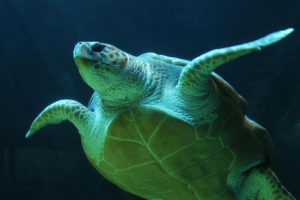
Of course, the natural richness of our country is another great reason for you to visit us. Here you will find spectacular natural reserves full of unique biodiversity. You can spot magical and imposing animals such as leatherback turtles, for example.

You can also explore unique parks and climb a volcano, for example, or go hiking in the jungle. Adventure lovers will undoubtedly appreciate being able to go on a safari in Spanish and thus understand everything the guide says”

Plenty to see and do.

Nature isn’t all we have to discover. Thanks to our Spanish colonial past, we have a strong European influence. This allows us to showcase a unique culture to the world, a fusion of Spain and African tribes, which will mesmerize you from start to finish. From our Africanized cuisine to music, dance, art, and more.

Not only can you immerse yourself in our culture, but you can also experience our history. From our museums and historical buildings to our legends, you’ll learn how we became the preferred destination for Spanish-speaking Africa trips through our unique identity.

When to visit Equatorial Guinea?

Our natural richness makes climate an important factor to consider when planning trips to Africa in Spanish. For example, in the coastal region, due to its geographical location, the best time to visit is during the dry season between October and April. However, if you want to witness the spectacle of sea turtle nesting, you should come from November to March.

For the part of Equatorial Guinea that is on the mainland, the best season to travel is from December to March as the heat is not as intense and there is no rain. However, there are also travelers who plan their trips to Africa in Spanish from June to September.

How to get to Equatorial Guinea?

Forget about getting lost at the airport and not knowing how to ask for directions or taking a taxi and not being able to give directions. Since we speak Spanish, navigating the airport is much easier. You can also take a taxi without fear of getting lost.

Remember that our airport, the Malabo – Santa Isabel International Airport, has international flights to various parts of the world. Here, you just need to take a taxi, tour, or private transfer to your hotel or final destination.

We help you with your trips to Africa in Spanish!

To fully enjoy your trips to Africa in Spanish, you need the best. With us, you’ll find a specialized tourism agency based in Equatorial Guinea. A dedicated agency committed to making your trip the best it can be.

Keep in mind that our country is still opening up to tourism. That’s why travelers are required, for example, to obtain a visa. But with us, you don’t have to worry about that. We will assist you with everything, from your visa to flights, hotels, tours, and transfers.

So if you’re eager to enjoy Africa in your language with safety, peace of mind, and confidence, contact us! With our experience and reputation, we’ll plan the best trip to Africa in Spanish for you. That way, you can focus solely on enjoying Equatorial Guinea and your vacation.

Picture of Rumbo Malabo

Rumbo Malabo

Tour Operator in Equatorial Guinea

Do not hesitate to follow us on social media to keep up with all our news and articles

Did you like it? Share it with your friends on any social media and help us grow.

Facebook
Twitter
LinkedIn
Email
WhatsApp
Telegram

Why choose Equatorial Guinea as a tourist destination?

Why choose Equatorial Guinea as a tourist destination?

Equatorial Guinea, often overlooked in tourist destinations, offers a unique experience. Surrounded by lush nature, from jungles to pristine beaches, it’s an unexplored paradise. The Spanish-African cultural fusion is evident in its gastronomy and historical heritage. As an emerging tourism destination, it ensures tranquil and personalized experiences. With notable safety and Spanish as the official language, it’s accessible to travelers. Adventure tourism thrives with jungle safaris and water sports. Tours unveil natural treasures, from waterfalls to volcanoes. Equatorial Guinea promises an unforgettable journey for nature and adventure enthusiasts.

Though Equatorial Guinea may not be widely discussed or featured in top vacation destination lists, our country holds countless hidden gems waiting to be discovered, promising to offer you the most incredible vacation of your life.

If you’re in search of your next tourist destination and are a lover of nature, culture, and breathtaking landscapes, you’ve come to the right place! Here, we’ll share nine reasons to visit Equatorial Guinea on your next vacation.

Its incredible wildlife and natural richness.

Thanks to our location on the coast of the African Atlantic, we boast abundant natural wealth. Covered by dense tropical forests, we harbor over 140 tree species and 3250 plant species, many of which are endemic to the region—unlike any other country!

But that’s not all; in addition to being rich in flora, our fauna thrives. Just glimpse at the abundance of primates—gorillas, chimpanzees, and monkeys are among the most renowned. We’re also home to hippos, elephants, crocodiles, leopards, and even snakes like pythons.

A unique culture and the only African country where Spanish is spoken!

When it comes to culture, Equatorial Guinea is like a melting pot where European and African cultures merge. With a Spanish colonial past, we’re the only country in Africa where Spanish is the official language.

For lovers of cultural travel, this is undoubtedly one of the reasons to visit Equatorial Guinea. You can admire centuries of history and the fusion of Spanish and African customs and traditions in the cuisine, music, attire, and festivities of this country.

A country just for you.

Thanks to being an emerging country in the tourism industry, here you won’t struggle with other tourists for the best views. Nor will you have to endure crowded hotels and sites, long lines, noise, or litter.

For those seeking peace, relaxation, and plenty to see and do, Equatorial Guinea is undoubtedly the destination to choose. Moreover, with less saturation, tourism service providers will dedicate themselves 100% to you, delivering a great experience and the best personalized attention.

You also have beaches to discover.

Another popular reason for visiting Equatorial Guinea among travelers is the country’s paradisiacal beaches. Sipopo Beach, although artificially created, is often one of the most visited due to its proximity to the capital.

Moaba or Ureka Beach is another great option to enjoy. Here, you’ll find over 3 km of pristine beach surrounded by jungle and beautiful waterfalls. You can also explore the beautiful beaches of Bioko Island, known for their soft white sand. Not to mention the beaches yet to be discovered by the public!

Your stomach will always be full of the best food!

Thanks to the fusion of Spanish and African cultures, Equatorial Guinea’s cuisine is truly spectacular. With flavors that offer an explosion of sensations, blending the use of European spices with local ingredients, the food here will enchant you.

You can enjoy historical dishes like Equatorial Guinean Modica sauce or African-style sancocho. Additionally, you can also taste new international fusion cuisine like seafood stew. All with the freshness that only ingredients from the jungle, coast, and islands can provide.

Adventure tourism is very popular.

Another reason to visit Equatorial Guinea is undoubtedly adventure tourism. With hundreds of kilometers of jungle, there are plenty of ecotourism activities to enjoy. For example, safaris, jungle hikes, wildlife spotting, waterfall visits, and more.

Its rugged terrain also offers opportunities for adventure sports such as hiking in Biao Lake. You can enjoy water sports on its coast like diving or snorkeling. Additionally, explore Equatorial Guinea’s bustling capital city, Malabo.

The tours will enchant you.

As we’ve mentioned, Equatorial Guinea is a perfect destination for adventure and nature tourism. Its tours, such as jungle safaris, are undoubtedly one of the top reasons to visit Equatorial Guinea.

For example, you can take a tour through the tropical jungle of Monte Alen National Park to spot elephants, gorillas, and chimpanzees. You can also embark on a multi-day tour to explore the heart of Equatorial Guinea and discover attractions like the San Antonio de Ureca waterfalls and Pico Basile volcano.

A very peaceful country.

While Africa may have a reputation for security concerns, the opposite is true in Equatorial Guinea. The country is known for its tranquility and friendliness, especially in the growing tourism sector.

In addition to being peaceful and safe, Equatorial Guinea is a Spanish-speaking country. This is a significant advantage for your vacation, as you won’t have to worry about the language barrier or understanding tour guides.”

A country rich in discoveries.

As you can see, Equatorial Guinea holds a wealth of natural treasures waiting to be discovered. Nature and adventure enthusiasts will find our geography and ecosystems the perfect setting for an unforgettable vacation.

Don’t miss out on exploring everything we have to offer. On our blog, you’ll find all the information you need to plan your trip, and if you need assistance, you can always contact us.

We await you with open arms to discover why we are the perfect destination to connect with nature!

Picture of Rumbo Malabo

Rumbo Malabo

Tour Operator in Equatorial Guinea

Do not hesitate to follow us on social media to keep up with all our news and articles

Did you like it? Share it with your friends on any social media and help us grow.

Facebook
Twitter
LinkedIn
Email
WhatsApp
Telegram

Discover the secret of cocoa in Equatorial Guinea: a delicious and surprising story.

Cacao in Equatorial Guinea

Discover cocoa in Equatorial Guinea: a delicious story.

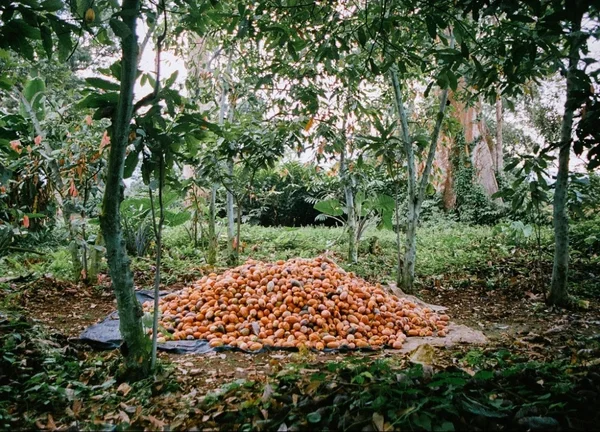
Equatorial Guinea has had a significant cocoa production for centuries. Don’t miss this article about the secrets behind cocoa in Equatorial Guinea and how this crop has evolved in the country.

Equatorial Guinea is a small West African country with a significant cocoa production. Cocoa is a traditional crop that has been cultivated for centuries and has been a crucial source of income for farmers in Equatorial Guinea. In this article, we will explore the secrets behind cocoa in Equatorial Guinea and how this crop has evolved in the country.

Faced with resource scarcity and inequality among communities dependent on them, sustainable tourism emerges as the solution to these and other problems.

What makes cocoa from Equatorial Guinea so special?

What makes Equatorial Guinea’s cocoa so special? That’s a great question. Firstly, you should know that the country is located very close to the equator, which means the temperature is perfect for cocoa cultivation. Additionally, Equatorial Guinea’s farmers have years of experience in cocoa farming, allowing them to harvest the highest quality beans.

However, it’s not just the geographic location and the farmers’ expertise that make Equatorial Guinea’s cocoa so special. It’s also the variety of cocoa that is grown here. Criollo, Forastero, and Trinitario are the three most common cocoa varieties. Well, Equatorial Guinea is fortunate to have two of them (Criollo and Forastero). This means that Equatorial Guinea’s cocoa has a unique flavor and aroma with floral, fruity, and nutty notes.

Cacao en Guinea Ecuatorial

Another reason why Equatorial Guinea’s cocoa is so special is because it is cultivated sustainably. Farmers use traditional and environmentally-friendly agricultural techniques, making the cocoa healthier for the planet and the people who cultivate it.

Lastly, we must mention that Equatorial Guinea’s cocoa is processed in an artisanal manner. Each cocoa bean is carefully selected and processed by hand. This ensures that each cocoa bean is in its best shape and quality before being sent to chocolate manufacturers.

The real story behind cocoa in Equatorial Guinea: from its origins to its exportation.

Would you like to know the secret of cocoa in Equatorial Guinea? Let us tell you! It turns out that this small country in West Africa has a fascinating history behind one of its most delicious products: cocoa.

In the 19th century, Spanish colonizers introduced cocoa to Equatorial Guinea from the central American region, and since then, cocoa cultivation has become a vital part of the local economy. The fertile soils and tropical climate in Equatorial Guinea make cocoa plantations produce high-quality beans with a unique flavor and aroma.

But how is this special cocoa produced? The process is entirely artisanal and manual. Local farmers take care of cocoa plants and carefully harvest the pods to avoid damaging the beans inside. Then, the beans are fermented and dried in drying facilities for several days until they achieve the perfect flavor and texture for roasting. In nearby countries, cocoa is often sun-dried, but Equatorial Guinea is special, and we like to do things differently. So, we use drying facilities that we recommend visiting if you have the time.

But the story doesn’t end here. Equatorial Guinea’s cocoa was exported worldwide, and many renowned chocolate brands used this cocoa in their most delicious products. Do brands like Finca Sampaka or Cacao 1906 sound familiar to you? Well, they used cocoa from Equatorial Guinea to create some of their most exquisite chocolates.

Why should you try chocolate from Equatorial Guinea? Reasons to fall in love with its unique flavor.

Chocolate from Equatorial Guinea is a true delight that you must try at least once in your life. Why?

Firstly, Equatorial Guinea’s cocoa is one of the most highly regarded in the world for its unique and distinctive flavor. Chocolate experts highlight its intense aroma and fruity taste, with hints of citrus and red fruits. Doesn’t it make your mouth water just thinking about it?

Chocolate is a food that brings us joy. It contains chemical compounds that stimulate the production of serotonin and endorphins, making us feel good and improving our mood. Moreover, chocolate is a very versatile food that can be enjoyed in many different ways. You can eat it on its own, with fruits, in cakes, in ice creams, and much more.

To fall in love with chocolate, it’s best to try different varieties and brands. Each type of chocolate has a different flavor and texture, and Equatorial Guinea’s chocolate is special. Moreover, you can enjoy chocolate at different times of the day, such as breakfast, dessert, or as a snack, and in different situations, whether alone, with friends, or with a partner.

Another way to fall in love with chocolate is by learning about its history and production process. Knowing where chocolate comes from and how it’s made can make you appreciate its flavor and value even more. When you learn the story behind chocolate, you can better appreciate its cultural significance and its economic importance for the communities that produce it.

Benefits of consuming chocolate made with Equatorial Guinea's cocoa

Imagine this! You’re savoring a delicious bar of dark chocolate while simultaneously doing your heart and brain a big favor. Yes, really! Let us explain.

Dark chocolate contains flavonoids that help improve blood circulation and reduce the risk of cardiovascular diseases. Moreover, these flavonoids can also enhance your memory and concentration.

But wait, there’s more. Chocolate is also good for your mood. It contains a substance called phenylethylamine that stimulates the production of serotonin and endorphins, giving you an extra boost of happiness and energy. So, the next time you have a bad day, a small piece of chocolate might be just what you need to lift your spirits.

Chocolate en Guinea Ecuatorial

But that’s not all; chocolate is also good for your digestive health, thanks to its fiber content. Additionally, chocolate contains zinc, a mineral that helps maintain a healthy immune system.

Now you know! Chocolate is not only delicious but also offers health benefits. Just make sure to choose high-quality chocolate with a high cocoa percentage and not too much added sugar. This way, you can enjoy all the benefits while treating yourself to a delightful indulgence! And what better way to do it than with cocoa from Equatorial Guinea.

Did you know that you can visit cocoa plantations in Equatorial Guinea?

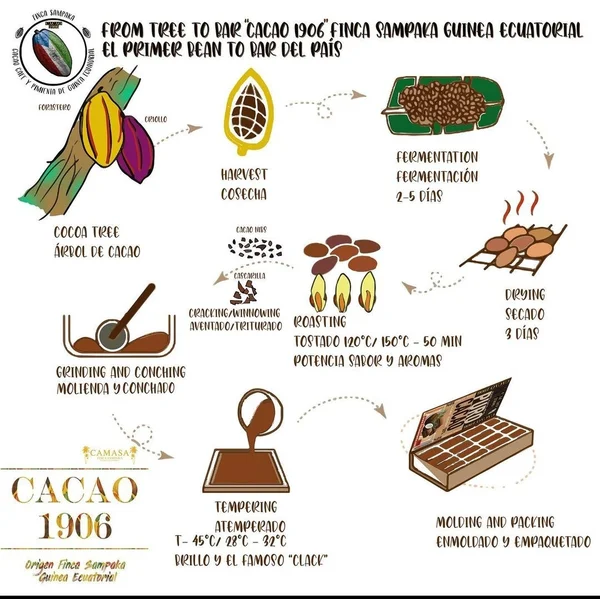
What sets Equatorial Guinea apart from other countries is the ease of visiting cocoa farms and the opportunity to visit one of the chocolate production factories that follows a tree-to-bar approach. This is the journey that cocoa takes from the tree to the chocolate bar you enjoy. Here’s how it works:

  • Cocoa is harvested from cocoa trees.
  • The beans are cleaned and fermented to develop their flavor.
  • The beans are dried and roasted to remove moisture and enhance their flavor.
  • The beans are ground and turned into cocoa mass.
  • The cocoa mass is mixed with other ingredients like sugar and milk.
  • It is molded into chocolate bars.

What’s special about this technique is that each of the chocolate bars has been carefully produced from cocoa cultivation to the crafting of the chocolate bar, ensuring its unique quality and flavor. So, the next time you savor a piece of chocolate, think about the journey it took from the tree to your mouth!

Conclusion: You have to try Equatorial Guinea's cocoa (and visit the farms).

Equatorial Guinea’s cocoa and chocolate are a true delight that should be experienced at least once in a lifetime. Chocolate experts highlight its intense aroma and fruity flavor with notes of citrus and red fruits. Furthermore, chocolate is a mood-enhancing food that brings happiness and is incredibly versatile, allowing you to enjoy it in various ways. If you travel to Equatorial Guinea, don’t hesitate. Visit one of the cocoa farms and taste the chocolate. It’s making our mouths water already!

Picture of Rumbo Malabo

Rumbo Malabo

Tour Operador turístico en Guinea Ecuatorial

Follow us on social media (Instagram, Twitter, and Facebook) and subscribe to our email list so you don’t miss out on anything that happens!!

(Did you like it? Share it with your friends on any social network and help us grow.)

Facebook
Twitter
LinkedIn
Email
WhatsApp
Telegram

Birdwatching Guide for Travelers in Equatorial Guinea

Did you know that Equatorial Guinea is one of the best birdwatching destinations in West Africa? If you’re passionate about nature, photography, or simply looking for a different kind of trip, get ready to look up and fall in love with a sky full of life and color. With over 300 bird species, many of them endemic or hard to find elsewhere in the world, this small country is a gem for birdwatching tourism enthusiasts.
From the misty peaks of Pico Basile to the jungles of Monte Alén and the calm banks of coastal rivers, every corner offers a natural concert of songs, acrobatic flights, and stunning colors.

Leer Más >>
Annobonese People

History, Culture and Tradition on Annobon

Annobon, a remote and fascinating island of Equatorial Guinea, boasts a rich history, vibrant culture, and deep-rooted traditions. Influenced by its Portuguese and African heritage, the island’s unique Creole identity is reflected in its language, music, and customs. From traditional dances to community-driven fishing practices, Annobon offers a glimpse into a way of life shaped by resilience and a strong sense of unity.

Leer Más >>

The new terminal at Malabo Airport: Modernization and Growth.

Aeropuerto Malabo

The new terminal at Malabo Airport: Modernization and Growth.

The new terminal of Malabo Airport is finally here! With its innovative design and cutting-edge services, it is a significant milestone for the country’s tourism and economic development!

The terminal of Malabo Airport has recently been renovated with the goal of modernizing the infrastructure and improving the experience of travelers visiting the country. This renovation is crucial for the country’s tourism and economic development, as the airport is the main gateway for international tourists.

In this article, we will introduce the new terminal of Malabo Airport and the benefits that come with the modernization of the airport. We hope that after reading this article, you will feel even more motivated to visit Equatorial Guinea and discover all that this beautiful country has to offer. Let’s get started!

History of Malabo airport

The Malabo International Airport was inaugurated in 1929 and has evolved over the years. Initially, it had a dirt runway and was mainly used for military flights, with only one international flight per week. During the colonial era, it was used as a military base by Spain and later by the Military Garrison of Equatorial Guinea.

After the independence of Equatorial Guinea in 1968, the airport was renamed the Santa Isabel Airport, in honor of the country’s capital at that time.

In 2003, the government of Equatorial Guinea decided to invest in the modernization of the airport to improve the traveler experience and attract more tourism to the country. A new terminal was built, and the runways and other facilities were upgraded, which has lasted until today.

Before the construction of this new terminal, the airport facilities were limited. Travelers complained about the lack of amenities and services, such as restaurants and shops, and congestion in the check-in and boarding areas. Therefore, the need for a renovation was evident, and the construction of the new terminal has been a great step towards the modernization of the airport. The new Malabo terminal has been designed with a focus on the comfort of travelers and has a wide variety of services and amenities to enhance the experience of passengers visiting Equatorial Guinea.

Design and construction of the new terminal in Malabo

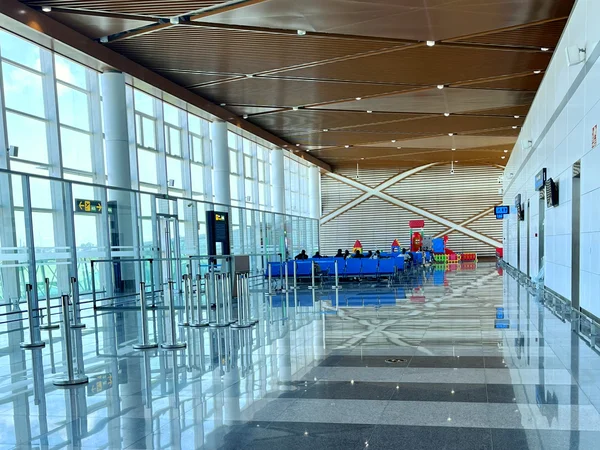
The design and construction of the new terminal of Malabo airport is a modern and ambitious project that has significantly improved the country’s airport facilities. Its architectural design is impressive, with a steel and glass structure that evokes the image of a bird in flight. Additionally, it features technological and security innovations that make it comparable to the most modern airports in Africa.

The new terminal can accommodate up to 18 aircraft at once and has 6 boarding gates with 9 mobile fingers for the boarding and disembarking of passengers. What’s more, it is prepared to receive large-sized and capacity aircraft, which improves the country’s connectivity with the rest of the world.

This new terminal is a three-story building built on a perimeter space of more than 45,000 square meters. The process of constructing the new terminal was a large-scale project carried out in several phases. In the first phase, preliminary studies were conducted to define the architectural design and technical needs. In the second phase, the infrastructure was constructed and technological innovations were installed. The third phase consisted of the installation of equipment and the completion of finishing works. The entire project was supervised by experts in architecture, engineering, and security to ensure that the new terminal meets the highest standards of quality and safety.

Services and amenities of the new terminal

The new terminal of Malabo International Airport not only offers modern and attractive architecture but also a wide variety of services and amenities for travelers.

Regarding infrastructure and equipment, the new terminal has several terminals for national and expatriate passengers, a transit area, five lounges for executives and business people, large baggage collection and delivery spaces, and a parking lot with more than six hundred spaces.

The waiting area has comfortable seats to relax before the flight. In addition, the new terminal will have a large number of restaurants, cafes, and shops, offering anything from fast food to more elaborate cuisine. There will also be a variety of shops with local products and travel accessories.

On the other hand, passengers can also enjoy leisure and entertainment areas such as a play area for children and adults and a terrace overlooking the runway, where one can admire the green nature of the country.

In addition, the terminal has other useful services such as a currency exchange office, a pharmacy, and a business center with facilities for meetings and conferences.

The impact of the new terminal on the economy and tourism of Equatorial Guinea.

The construction of the new terminal at the Malabo International Airport has had a significant impact on the economy and tourism of Equatorial Guinea. Firstly, the construction of the new terminal was carried out by the Chinese company ABC Construcciones WEI, under the supervision of the National Projects Office (Geproyectos). This project has created employment and generated business opportunities for local companies, allowing them to participate in the construction and provision of services for the new terminal.

Furthermore, the new terminal has improved the airport infrastructure and increased the capacity to receive flights and passengers. The modernization of the airport will contribute to an increase in tourist arrivals to the country, as they will enjoy a more comfortable and pleasant experience in the new terminal.

Improving Equatorial Guinea’s image in the world is another benefit brought by the new terminal. The modern design and cutting-edge technology used in the construction of the new terminal have made it considered one of the best air terminals in Central Africa. It has given the opportunity to present Equatorial Guinea as a quality tourist destination and increased the confidence of foreign investors in the country.

Opinions and perspectives of experts.

The new terminal at Malabo airport has been the subject of many discussions among experts in aviation, tourism, and economics. Many of them agree that the modernization of the airport is an important step for the economic and touristic development of Equatorial Guinea.

In an interview, the CEO of a major African airline highlighted that the new terminal will improve flight efficiency and passenger experience, which can contribute to an increase in the number of tourists visiting the country. Additionally, he pointed out that the modernization of the airport will improve air connectivity of Equatorial Guinea with other countries in the region and the world.

On the other hand, a tourism expert from the region mentioned that the new terminal at Malabo airport will help improve the country’s image in the world. He also stated that the increased capacity and comfort of the airport can attract more investments and businesses to the country.

In economic terms, local sources emphasized that the modernization of the airport can generate direct and indirect employment and contribute to the country’s economic growth. Moreover, they pointed out that the new terminal can be an attraction for airlines that wish to operate in the country and increase the flow of tourists.

Overall, the interviewed experts agree that the new terminal at Malabo airport is an important and successful investment for the country and that efforts should be made to ensure its notable impact on tourism and the economy of Equatorial Guinea.

Challenges and obstacles of the new terminal

The new terminal of Malabo airport is an ambitious and modern project that seeks to boost the country’s economy and tourism. However, like any project of this magnitude, it also faces challenges and obstacles.

One of the main challenges is the long-term maintenance and sustainability of the infrastructure. It is important to ensure that the facilities and equipment are in good condition to guarantee the safety and comfort of passengers. In addition, the new terminal must be prepared to face unforeseen situations, such as climate or health emergencies.

Another important challenge is the management of services and personnel. The new terminal is a highly complex infrastructure that requires efficient and effective management to ensure that the services provided are of high quality. For this, the personnel responsible for the operation of the terminal must be highly trained and have the necessary tools to provide excellent service.

Finally, another challenge is the competition with other airports in the region. The new terminal must maintain an attractive offer of services and amenities for passengers, compared to other nearby airports. To do this, the offer of services should continue to be innovated and improved to remain at the forefront of the aviation market.

In summary, the new terminal of Malabo airport faces challenges and obstacles that are being effectively addressed to ensure the success of the project. If all the aforementioned challenges are overcome, Malabo can become the International Hub that everyone desires.

Repercussions on the city and the surrounding areas

The opening of the new terminal at Malabo airport will have an impact on the increase of traffic and urban mobility in the city of Malabo and its surroundings. It is expected that the increase in flights and passengers will generate a greater flow of traffic on the roads and streets of the city, which could have an impact on the mobility of residents and visitors.

However, it is also expected that the construction of the new terminal and the increase in tourism and related economic activity will generate benefits for the local economy. The development of the airport area and its surroundings can boost investment and the development of new businesses, both in the tourism sector and in other economic sectors. In addition, the increase in tourism can lead to a greater demand for local services and products, which could generate employment and business opportunities for local residents.

Opinions and experiences of users of the new terminal.

The opinion of users is essential to evaluate the success of any project, and in the case of the new terminal at Malabo airport, it is no different. Since its inauguration, the terminal has already received hundreds of passengers who have used its services and amenities.

Among the most frequent comments from users are praise for the modernity and spaciousness of the facilities, as well as the quality of the available services. Passengers have particularly highlighted the comfort and design of the waiting room, which has numerous rest areas, entertainment areas, and shops. It should be noted that more than one person has been excited to see the incredible transformation that the airport has undergone.

Overall, users’ opinions have been very positive, indicating that the project has successfully achieved its goal of offering a pleasant and comfortable travel experience for passengers. Favorable user comments can help attract more tourists and increase the reputation of Equatorial Guinea as a quality tourist destination.

Conclusions of the new terminal of Malabo airport

In conclusion, the new terminal of the Malabo airport represents a significant improvement in airport facilities and services, with an innovative and technologically advanced design. In addition to enhancing the passenger experience, the terminal has a positive impact on the economy and tourism of the region, creating jobs and attracting more visitors to the country. Despite the challenges and difficulties that the management of the terminal may face, its impact on the development and image of Equatorial Guinea is undeniable. The terminal becomes a reference point for the African region in terms of services and technology.

Picture of Rumbo Malabo

Rumbo Malabo

Tour Operator in Equatorial Guinea

¿Te ha gustado? Compártelo con tus amigos en cualquier red social y ayúdanos a crecer.

Facebook
Twitter
LinkedIn
Email
WhatsApp
Telegram

Birdwatching Guide for Travelers in Equatorial Guinea

Did you know that Equatorial Guinea is one of the best birdwatching destinations in West Africa? If you’re passionate about nature, photography, or simply looking for a different kind of trip, get ready to look up and fall in love with a sky full of life and color. With over 300 bird species, many of them endemic or hard to find elsewhere in the world, this small country is a gem for birdwatching tourism enthusiasts.
From the misty peaks of Pico Basile to the jungles of Monte Alén and the calm banks of coastal rivers, every corner offers a natural concert of songs, acrobatic flights, and stunning colors.

Read More
Annobonese People

History, Culture and Tradition on Annobon

Annobon, a remote and fascinating island of Equatorial Guinea, boasts a rich history, vibrant culture, and deep-rooted traditions. Influenced by its Portuguese and African heritage, the island’s unique Creole identity is reflected in its language, music, and customs. From traditional dances to community-driven fishing practices, Annobon offers a glimpse into a way of life shaped by resilience and a strong sense of unity.

Read More

The History of the Island of Bioko in Equatorial Guinea: Discovery, Colonization, and Independence

Malabo highway

The History of the Island of Bioko in Equatorial Guinea: Discovery, Colonization, and Independence

Are you thinking of traveling to Equatorial Guinea and want to learn about the history of Bioko Island? Don’t miss this article where we tell you everything this wonderful island has been through!

Discovery and First Inhabitants.

Bioko Island, formerly known as Fernando Poo Island, is located in the Gulf of Guinea off the coast of West Africa. Bioko Island was discovered by the Portuguese in 1472 while they were searching for a trade route to the East Indies. The island was already inhabited by Bantu tribes who had settled on the island before Europeans knew of its existence.

According to other sources, this event occurred around the 7th century. As there are few written documents, this date is an estimation based on the analysis of migratory movements from other parts of the African continent.

Mapa de Guinea Ecuatorial

The Bantu people were generally a nomadic people and those who lived on the island practiced a basic subsistence form that focused on agriculture, slash-and-burn forestry, and crop rotation, which allowed them to survive on an island with limited resources.

When the Portuguese arrived on the island, the Bantu people were the main source of labor for the plantations that were being established on the African continent. The Portuguese began to trade with the locals, exchanging European goods such as fabrics, weapons, and alcohol for local products such as palm oil, spices, and wood. They also introduced new crops to the island, such as coffee and cocoa, which became important export products.

The arrival of Europeans to Bioko Island.

In the 19th century, Bioko Island became an important center for the slave trade. Europeans brought thousands of African slaves to the island to be sold to other countries. During this period, the island was known as Fernando Poo, in honor of the Portuguese explorer who visited it in the 18th century.

In 1827, the island was declared a Spanish colony and the city of Santa Isabel became the capital of the colony. During the colonial era, the Spaniards built a series of buildings and structures on the island, including a cathedral, a palace, and some ports. These structures can still be seen on the island today and are important vestiges of the island’s colonial past.

Spanish colonization also brought significant cultural changes to the island. The Spanish language became the official language of the country and many of the island’s inhabitants converted to Catholicism, abandoning their local beliefs, which represents an important loss of identity that is still felt today.

The independence of Equatorial Guinea

In 1959, Equatorial Guinea became officially two more provinces of the Spanish government: Fernando Poo and Rio Muni. And later in 1963, an autonomous government was created, which had power over most internal affairs, while Spain still maintained control over defense, foreign policy, and other important matters.

In March 1968, a constitutional conference was held in Madrid to negotiate the terms of independence for Equatorial Guinea. The conference involved the participation of Equatorial Guinean leaders and representatives of the Spanish government.

Independencia Guinea Ecuatorial

The independence agreement was signed on October 12th, 1968 in the city of Santa Isabel (currently Malabo), the capital of Equatorial Guinea. The agreement was signed by the Head of State of Equatorial Guinea, Francisco Macías Nguema, and Manuel Fraga Iribarne, Minister of Information and Tourism, chosen by Franco’s regime to formally represent Spain.

After the signing of the agreement, Equatorial Guinea became an independent state and a member of the international community. Independence was celebrated throughout the country with parades, ceremonies, and official speeches. From then on, the island became the political and economic center of the country.

The island’s economy also changed after independence. The country began to rely more on the production of oil and gas, which were discovered in the 1990s, and became an important source of income for the country, contributing to the modernization of the island.

The current state of Bioko Island and Equatorial Guinea.

In the present day, Bioko Island aims to become an important tourism and economic center in Africa. The island has a rich fauna and flora, including numerous species of birds and primates. Additionally, it remains a unique and fascinating place, with a rich history and culture, stunning natural beauty, and great potential for sustainable tourism and development.

It is the perfect time to enjoy its beauty and get to know the culture now that it is opening up to tourism. Don’t miss the opportunity to discover the wonders of Equatorial Guinea!

Malabo Downtown

The future of Bioko Island and Equatorial Guinea.

Equatorial Guinea has a long-term development strategy, with a global vision for the country and its role on the international level, and it specifies the priority axes on which development will be based towards the 2035 horizon. These resolutions can be found in the Guinea Ecuatorial 2035 Agenda developed by the main actors in the region, including CEMAC, WHO, UNDP, IMF, and the collaboration of regional and national banks.

These strategic axes are as follows:

  • Poverty eradication
  • Social inclusion and sustainable peace
  • Productivity and industrialization
  • Environmental sustainability and territorial development

Therefore, the future of the country is outlined and all that remains is to follow the path marked out.

Horizonte 2035

Conclusion

In summary, Bioko Island is a small island with a fascinating history. From its discovery by the Portuguese to its role in the slave trade and its independence from Spain, the island has undergone significant transformations and changes. Today, Bioko Island aims to become an important tourist and economic center in Africa, and it remains a unique and fascinating place to visit and explore. Travel to Equatorial Guinea and don’t miss out on everything it has to offer!

Picture of Rumbo Malabo

Rumbo Malabo

Tour Operator in Equatorial Guinea

Did you like it? Share it with your friends on any social media and help us growth

Facebook
Twitter
LinkedIn
Email
WhatsApp
Telegram

Birdwatching Guide for Travelers in Equatorial Guinea

Did you know that Equatorial Guinea is one of the best birdwatching destinations in West Africa? If you’re passionate about nature, photography, or simply looking for a different kind of trip, get ready to look up and fall in love with a sky full of life and color. With over 300 bird species, many of them endemic or hard to find elsewhere in the world, this small country is a gem for birdwatching tourism enthusiasts.
From the misty peaks of Pico Basile to the jungles of Monte Alén and the calm banks of coastal rivers, every corner offers a natural concert of songs, acrobatic flights, and stunning colors.

Read more >>
Annobonese People

History, Culture and Tradition on Annobon

Annobon, a remote and fascinating island of Equatorial Guinea, boasts a rich history, vibrant culture, and deep-rooted traditions. Influenced by its Portuguese and African heritage, the island’s unique Creole identity is reflected in its language, music, and customs. From traditional dances to community-driven fishing practices, Annobon offers a glimpse into a way of life shaped by resilience and a strong sense of unity.

Read more >>

Weather in Equatorial Guinea: What is the best time to travel?

Weather in Equatorial Guinea: What is the best time to travel?

Do you want to visit Equatorial Guinea, but have doubts about the climate and how to choose the best time to go? Don’t miss this post where we help you choose the best time to travel to Equatorial Guinea!

If you’re wondering about the climate in Equatorial Guinea to choose the best time for your trip, we understand. Many people have the same question. That’s why we want to help you. Don’t miss this post where we help you choose the best time to travel to Equatorial Guinea!

The best time to visit is between the months of November to March, as this is when you’ll find the dry season in both the Continental and Insular Regions. Additionally, you can see the sea turtle nesting on the Ureka coast.

But this doesn’t mean that other times are bad, far from it. Throughout this article, we’ll tell you about each of the months and what activities you can do. As you’ll see, the options are endless, and we can adjust activities and packages to each season.

What weather awaits you in Equatorial Guinea?

You probably already know, but Equatorial Guinea is located north of the equator, so the climate is tropical to equatorial. So, get ready to enjoy the humidity at any time of the year! If you’re wondering about temperatures, they range from 25-30 degrees Celsius throughout the year. Therefore, it’s important not to forget sunscreen if it’s the dry season.

That being said, you should know that the climate is very changeable, and depending on the region and zone, the rainy and storm seasons vary. But don’t worry, we’ll analyze it now so that you don’t have any doubts.

Precipitations Equatorial Guinea

As you can see in the graph above, the Continental Region, represented by the green line, has its dry season in two seasons: from December to March and from June to September. So, if you want to visit Equatorial Guinea during the European summer season, you should clearly focus on the continental zone and visits to Monte Alen, Corisco, and the interior of the country.

If, on the other hand, your main interest is on Bioko Island, your selection should be between the months of October and April. From there, the rains begin little by little and during the nights. And although they don’t prevent you from doing most of the excursions, they can increase the tension of your trip. Although, of course, if you hire an agency, you’ll have help to solve any possible problem, so that’s not bad either.

What is the best time to visit Equatorial Guinea?

This question is not easy. And the answer cannot be more generic: it depends. But we will develop it, don’t worry.

Weather in Equatorial Guinea from November to March

The period from November to March is perfect for visiting both the Continental Region and the insular region. You can camp in the best tourist spots in Equatorial Guinea and you can see the spawning of sea turtles on Moaba Beach, near Ureka. But it is possible that the harmattan or the haze has arrived in the country.

In this case, the photos you take will not be as clear and if you climb Mount Basilé, you probably won’t be able to see the city from above. In addition, it is the time when Equatorial Guinea has the most visitors, so you won’t be totally alone and prices could be higher as it is the high season in the country.

Weather in Equatorial Guinea from April to May

The months of April and May are transitional months, the weather will be a little changing and it may rain all night and then be extremely hot during the day. This phenomenon is frequent and gives us the best opportunities to take photographs with a clear sky and clouds in the background. So, yes, it is perfect for photographers.

On the other hand, camping in Ureka will not be possible as the tide will be high and it can be dangerous. At this time, you have to be flexible and be ready to take advantage of any opportunity to visit different parts of the country.

Weather in Equatorial Guinea from June to September

From the months of June to September, it will continue to rain in the Insular Region, but it is the best time to visit the Continental part. This is where the trips to Corisco Island and Monte Alen come into play. If you have planned your honeymoon in Corisco, this is your ideal time. Additionally, you can enter the Monte Alen Natural Reserve and Río Campo without fear of getting wet.

In general, September is the least recommended month to travel. Both in the Continental Region and the Insular Region, rainfall is abundant. Although of course, everything can vary.

Weather in Equatorial Guinea from October to November

Later, in the months of October to November, conditions return to ideal and trips to Ureka and all regions of the national territory are active again. Maybe you can get wet some days, but it won’t be worrying and you ensure having better prices than in the high season and, above all, less crowding.

From here, we assure you that Equatorial Guinea is a wonderful destination at any time of the year. Contact us if you have any questions and we will be more than happy to help you.

Travel tips to make the most of the weather in Equatorial Guinea

Regardless of the time of year you want to visit Equatorial Guinea and whatever the weather, you need to take into account a series of tips and suggestions:

  • Always wear comfortable and cool clothing, preferably long pants and long-sleeved shirts. Depending on the location, there may be mosquitoes and you do not want them to have a feast with the newcomer. You can bring repellent, but nothing is more effective than long sleeves.
  • We have talked at length about precipitation and rainy season, but if you look at the graph, in many cases the probability of rain is 40%, so even in the dry season, do not forget to bring a raincoat or jacket. It will also be useful on Mount Basilé where temperatures can be cool.
  • Just as it may rain depending on the season, it is certain that it will be hot and sunny, so a hat or visor is essential during your trip. Make sure you pack it in your luggage along with sunscreen.
  • We recommend light, comfortable, and breathable footwear. The locals walk in flip-flops, but in some places, it can be a challenge to maintain balance. So grab some multi-purpose sneakers that can get dirty, and you’ll be sure to make the right choice.

Conclusion: What is the best time to travel to Equatorial Guinea?

Traveling to Equatorial Guinea is a unique and unforgettable experience. But to keep expectations in line with reality, it is inevitable to take into account weather forecasts. The best time is from November to March, as this is when you will find the dry season in both the Continental Region and the Insular Region. Additionally, you can see the sea turtles laying eggs on the coast of Ureka.

Of course, the other seasons are not bad, far from it. As you have seen, the options are endless, and we can adjust activities and packages to each of the seasons. After all, Equatorial Guinea is a wonderful destination at any time of the year. Contact us if you have any questions, and we will be happy to help

Picture of Rumbo Malabo

Rumbo Malabo

Tour Operator in Equatorial Guinea

¿Te ha gustado? Compártelo con tus amigos en cualquier red social y ayúdanos a crecer.

Facebook
Twitter
LinkedIn
Email
WhatsApp
Telegram

Birdwatching Guide for Travelers in Equatorial Guinea

Did you know that Equatorial Guinea is one of the best birdwatching destinations in West Africa? If you’re passionate about nature, photography, or simply looking for a different kind of trip, get ready to look up and fall in love with a sky full of life and color. With over 300 bird species, many of them endemic or hard to find elsewhere in the world, this small country is a gem for birdwatching tourism enthusiasts.
From the misty peaks of Pico Basile to the jungles of Monte Alén and the calm banks of coastal rivers, every corner offers a natural concert of songs, acrobatic flights, and stunning colors.

Read More
Annobonese People

History, Culture and Tradition on Annobon

Annobon, a remote and fascinating island of Equatorial Guinea, boasts a rich history, vibrant culture, and deep-rooted traditions. Influenced by its Portuguese and African heritage, the island’s unique Creole identity is reflected in its language, music, and customs. From traditional dances to community-driven fishing practices, Annobon offers a glimpse into a way of life shaped by resilience and a strong sense of unity.

Read More

Sustainable tourism in Equatorial Guinea

turismo sostenible

Sustainable tourism in Equatorial Guinea

 Have you ever heard of sustainable tourism? Do you know what is it about? And how does this kind of tourism work in Equatorial Guinea? We answer all of your questions in this article.

Sustainable tourism is an activity that is earning more and more supporters because of all of the advantages it brings to the planet and to societies. To define it, two ideas have been gathered, which apparently have nothing in common: tourism and sustainability.

Sustainable tourism presents itself as the solution to inequality and lacking resources among communities that depend on them

What is sustainable tourism in Equatorial Guinea?

Many times, we are not aware of how much we consume while we travel, from our departure to our return. This is reflected in the carbon footprint, which is the impact of our actions on Earth. That is why many countries have already taken steps and legal actions to accomplish the principle of sustainability through the SDGs. 

Equatorial Guinea is one of these countries. The support to sustainable tourism lead to a better use of the resources. In other words, if we understand the reality of our planet, we’ll make better use of it. It is a win-win situation if we participate together.

Corisco church
Corisco church

How can we encourage sustainable tourism in Equatorial Guinea?

Making sure that tourism in Equatorial Guinea is sustainable and responsible is everybody’s responsibility: authorities, agencies, tourists and even the local population.

Adapted activities in Equatorial Guinea

One way of encouraging sustainable tourism in Equatorial Guinea is to adapt the activities that are carried out on the destination. Unfortunately, many traditional tourism activities can be polluting. That is why ideally a limited number of passengers should be fixed per day, among other measures.

Tourists in Equatorial Guinea

From cities to nature in Equatorial Guinea

On the other hand, capitals and big cities generally (Malabo and Bata in Equatorial Guinea) tend to receive the biggest number of travelers because they host the most emblematic monuments and places. However, there’s a lot more to discover outside these two cities; Equatorial Guinea outstands for its rich biodiversity. Visiting the various local natural paradises favors sustainable tourism.

Local culture in Equatorial Guinea

In order to truly promote the development of fair trade, the protection of natural spaces and livelihoods, we must practice tourism that respects the authenticity of the local culture. Among the wonders in Equatorial Guinea there are its peoples, its cultural values and traditions, its languages… Respect for the local culture is one of the key aspects of sustainable tourism.

Medicina_Tradicional_Guinea_Ecuatorial

Sustainable practices for the tourist in Equatorial Guinea

There are certain behaviors that tourists can display to contribute to the encouragement of sustainable tourism. Among these, there is the choice of quality operators who respect the culture, people’s rights and the environment. At the destination, we must use the natural resources like water or energy responsibly. It is essential to minimize waste, and surroundings must be kept clean. Plus, when shopping, try to contribute to the communities’ local economy.

What are the goals of sustainable tourism in Equatorial Guinea?

Sustainable tourism standards must be the main goal of tourism in Equatorial Guinea. Keeping the natural and cultural wealth must be the priority of the country. This implies that monuments, the environment and culture must be preserved so both people from Equatorial Guinea and foreign tourists will be able to enjoy them.

In Equatorial Guinea, nature receives special attention because it plays a fundamental role for the local society. As well as other countries, resources are obtained from nature. And the country’s unique places and species makes it even more necessary to respect the biodiversity for our generation and the future ones.

At the same time, Equatorial Guinea is a beautiful country that will progressively receive more tourists due to the upcoming online visa. Therefore, activities will grow, so it is everybody’s responsibility to enjoy the reserves, parks, beaches and forests in a respectful and conscious way.

Ilachi-Waterfalls

Conclusion about sustainable tourism in Equatorial Guinea

Sustainable tourism has come to stay and Rumbo Malabo will keep setting it as the guiding principle of our activities. As a traveling agency from Equatorial Guinea, we prioritize the experience of tourists. With this purpose in mind, we know we must consider sustainable tourism as part of our company policies. It is fundamental for our followers to take an unforgettable memory from Equatorial Guinea with them.

We advocate for the defense and protection of our spaces, because losing them will take away the opportunity for anyone to discover Equatorial Guinea. Come and experience our country from the sustainable tourism approach: inclusive, healthy and mutually beneficial.

Fishing Equatorial Guinea
Picture of Rumbo Malabo

Rumbo Malabo

Tour Operator in Equatorial Guinea

Rumbo Malabo llevará Guinea Ecuatorial a FITUR (Feria Internacional de Turismo) para que el mundo descubra las maravillas de este país y todo lo que tiene que ofrecerle al turismo internacional.

¡Síguenos en redes sociales (Instagram, Twitter y Facebook) y suscríbete a nuestra lista de correos, para no perderte nada de lo que pase!

Did you like it? Share it with your friends on any social media and help us growth

Facebook
Twitter
LinkedIn
Email
WhatsApp
Telegram

Birdwatching Guide for Travelers in Equatorial Guinea

Did you know that Equatorial Guinea is one of the best birdwatching destinations in West Africa? If you’re passionate about nature, photography, or simply looking for a different kind of trip, get ready to look up and fall in love with a sky full of life and color. With over 300 bird species, many of them endemic or hard to find elsewhere in the world, this small country is a gem for birdwatching tourism enthusiasts.
From the misty peaks of Pico Basile to the jungles of Monte Alén and the calm banks of coastal rivers, every corner offers a natural concert of songs, acrobatic flights, and stunning colors.

Read more >>
Annobonese People

History, Culture and Tradition on Annobon

Annobon, a remote and fascinating island of Equatorial Guinea, boasts a rich history, vibrant culture, and deep-rooted traditions. Influenced by its Portuguese and African heritage, the island’s unique Creole identity is reflected in its language, music, and customs. From traditional dances to community-driven fishing practices, Annobon offers a glimpse into a way of life shaped by resilience and a strong sense of unity.

Read more >>
``
Rumbo Malabo
Privacy Overview

This website uses cookies so that we can provide you with the best user experience possible. Cookie information is stored in your browser and performs functions such as recognising you when you return to our website and helping our team to understand which sections of the website you find most interesting and useful.