
The Tropical Fruits of Equatorial Guinea: A Natural Treasure

The Tropical Fruits of Equatorial Guinea: A Natural Treasure

Equatorial Guinea, located in the heart of tropical Africa, is a country blessed with lush biodiversity and an ideal climate for agriculture. Among its many natural resources, tropical fruits stand out for their variety, flavor, and nutritional value. These fruits not only form an essential part of the local diet but also represent a significant economic opportunity for the country in terms of export and agricultural development. In this article, we will explore some of the most iconic fruits of Equatorial Guinea, their cultural importance, and their potential in international markets.

Mango (Mangifera indica)

The mango is one of the most popular fruits in Equatorial Guinea, locally known as mangüeña. Introduced from Asia centuries ago, the mango has found a perfect home in the country’s tropical climate. Equatorial Guinean mangos are known for being particularly sweet and juicy, with a soft pulp that makes them a favorite for eating fresh or in juices.

Mango cultivation has been an integral part of local agriculture for generations. The trees are resilient and require little maintenance once established. In many rural communities, mangoes grow in family gardens and are harvested during the peak season for personal consumption or to be sold at local markets.

Atanga (Dacryodes edulis)

The atanga, also known as “African pear,” is a native fruit that grows abundantly in Equatorial Guinea. This fruit has a creamy texture similar to avocado and is usually consumed boiled or roasted. It is rich in healthy fats and provides an important source of energy for rural communities.

The cultivation of atanga remains mostly artisanal; the trees grow naturally in tropical forests and require little human intervention beyond harvesting during the appropriate season.

Pineapple (Ananas comosus)

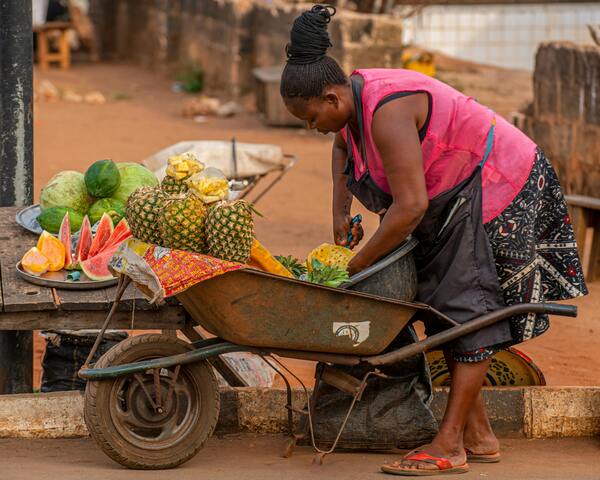
Pineapple is another widely cultivated fruit in Equatorial Guinea, valued for both its refreshing flavor and digestive properties. Rich in bromelain —an enzyme that helps break down proteins— pineapple is ideal for consumption after heavy meals. Additionally, its high vitamin C content strengthens the immune system. Equatorial Guinean pineapple is gradually making its way into international markets thanks to local initiatives aimed at boosting agricultural exports.

Guava (Psidium guajava)

Guava is a very common tropical fruit in Equatorial Guinea, although its consumption has slightly decreased in recent years. This fruit is known for its sweet and fragrant pulp, which varies between pink and white hues. Guava is exceptionally rich in vitamin C —even more than citrus fruits— making it a powerful natural antioxidant. Additionally, its high fiber content helps improve digestion.

The guava tree is resilient and adapts well to the tropical climate of Equatorial Guinea. It is cultivated both in family gardens and small commercial plantations. Guava requires little care and can produce fruit year-round under suitable conditions.

Banana and Plantain

In Equatorial Guinea, there is a distinction between the plantain —primarily used for cooking— and the sweet banana, which is consumed as a dessert or accompaniment. The plantain is fried or boiled to accompany main dishes such as stews or roasted meats. On the other hand, the banana is enjoyed fresh or as part of traditional desserts like banana fritters.

In addition to the more popular fruits mentioned above, Equatorial Guinea is home to a range of exotic fruits that are less known outside the country but hold great potential both culinary and commercially.

Djaka

Djaka is an exotic fruit that is little known outside of tropical Africa and grows abundantly in Equatorial Guinea. Its unique flavor and nutritional properties are yet to be discovered on an international level, but it represents an interesting opportunity to diversify the country’s fruit offerings.

Although its cultivation remains largely wild, some rural communities have begun planting it near their homes due to its nutritional value. The fruit can be consumed raw or cooked when still green.

Breadfruit (Artocarpus altilis)

Breadfruit is another important tropical fruit in Equatorial Guinea. Its name comes from its bread-like texture when cooked. It is a rich source of complex carbohydrates and can be boiled or roasted to accompany main dishes or eaten alone as a nutritious snack.

The breadfruit tree is native to Southeast Asia but has been cultivated for centuries in West Africa. In Equatorial Guinea, breadfruit grows easily in warm, humid climates with well-drained soils. It is consumed boiled or roasted as a side dish.

Abam

Abam is another local fruit that has gained interest due to its distinctive flavor and commercial potential. Although it is not as well-known internationally as other tropical fruits, it could become a standout product if properly promoted.

Abam grows primarily in rural areas where its cultivation remains artisanal. Although it has not been commercially exploited on a large scale, it holds potential due to its unique flavor and ability to adapt to different soil types.

Black Grape or Local Cherry

In Equatorial Guinea, a highly valued fruit is the wild black grape, also known as local cherry. This fruit is found in rural areas and is characterized by its small size, dark color, and sweet taste. Although it is not a grape in the traditional sense, its appearance and texture make it comparable to the black grape varieties cultivated in other parts of the world.

The Equatorial Guinean black grape grows wild in the country’s tropical forests and is consumed both fresh and in homemade juices or jams. Its cultivation is relatively simple, as these plants are resilient and do not require intensive care. However, due to its wild nature, its production is not as industrialized as other more commercialized fruits.

History of Fruit Cultivation in Equatorial Guinea

The history of fruit cultivation in Equatorial Guinea is deeply intertwined with local agricultural traditions and colonial influences. For centuries, local communities have cultivated indigenous fruits such as atanga and breadfruit using traditional methods passed down through generations.

With the arrival of European colonizers in the 19th century, new crops such as mango and cocoa (which also plays an important role in the agricultural economy) were introduced. These colonial influences brought with them more advanced agricultural techniques that helped improve the yield of certain fruit crops.

Despite these technological advances, many rural areas continue to use traditional farming methods due to limited access to modern machinery or adequate infrastructure for the transportation and storage of fresh products.

However, this has also allowed the preservation of sustainable practices that respect the environment.

Traditional Cultivation Methods in Equatorial Guinea

The traditional methods used for fruit cultivation in Equatorial Guinea are mostly sustainable and environmentally friendly:

  • Mixed Cultivation: In many rural areas, fruits are grown alongside other food crops such as cassava or maize. This practice promotes biodiversity and reduces the need for pesticides, creating a more balanced ecosystem.
  • Manual Harvesting: Most fruits are harvested by hand when they are ripe. This artisanal process ensures that only the best fruits reach the market, minimizing waste and ensuring quality control.
  • Natural Fermentation: Some fruits, such as cacao, undergo a natural fermentation process before being processed. This traditional method enhances both the flavor and the quality of the final product, contributing to the distinct characteristics of Equatorial Guinea’s agricultural products.

Actual Challenges

Despite the country’s rich fruit heritage, there are several challenges that limit its agricultural potential:

  • Developing Infrastructure: The lack of proper infrastructure for storing and transporting fresh fruits negatively impacts both local farmers and international markets. Without adequate storage and transportation systems, much of the harvest is lost or unable to reach broader markets.
  • Limited Technology: While some businesses are beginning to invest in modern technologies to improve agricultural performance, many rural areas still rely entirely on traditional farming methods. This limits efficiency and the ability to scale production to meet growing demand.
  • International Competition: Local farmers face a disadvantage compared to neighboring countries with better agricultural infrastructure and more developed markets. This puts Equatorial Guinea at a competitive disadvantage in the global fruit trade.

Future Opportunities for Fruit Cultivation in Equatorial Guinea

Despite these challenges, there are great opportunities to expand fruit production:

  • International Export: Local businesses are beginning to explore international markets to export fresh tropical fruits. This could generate significant additional income for local farmers.
  • Agri-Tourism: Agri-tourism offers another promising avenue to promote Equatorial Guinea’s fruits. Visitors can directly experience how these unique fruits are grown while enjoying the country’s lush natural landscape.

Conclusion on Tropical Fruits in Equatorial Guinea

Tropical fruits play a crucial role both culturally and economically in Equatorial Guinea. From wild black grapes to the djaka with its strong aroma, each fruit tells a unique story about the local agricultural traditions and future opportunities for this key sector of the country.

The djaka tree grows abundantly in the tropical forests of Equatorial Guinea. While its cultivation is still largely wild, some rural communities have begun to plant it near their homes due to its nutritional value. The fruit can be consumed raw or cooked when still green.

Picture of Rumbo Malabo

Rumbo Malabo

Tour Operator in Equatorial Guinea

¿Te ha gustado? Compártelo con tus amigos en cualquier red social y ayúdanos a crecer.

Facebook
Twitter
LinkedIn
Email
WhatsApp
Telegram

Birdwatching Guide for Travelers in Equatorial Guinea

Did you know that Equatorial Guinea is one of the best birdwatching destinations in West Africa? If you’re passionate about nature, photography, or simply looking for a different kind of trip, get ready to look up and fall in love with a sky full of life and color. With over 300 bird species, many of them endemic or hard to find elsewhere in the world, this small country is a gem for birdwatching tourism enthusiasts.
From the misty peaks of Pico Basile to the jungles of Monte Alén and the calm banks of coastal rivers, every corner offers a natural concert of songs, acrobatic flights, and stunning colors.

Read More
Annobonese People

History, Culture and Tradition on Annobon

Annobon, a remote and fascinating island of Equatorial Guinea, boasts a rich history, vibrant culture, and deep-rooted traditions. Influenced by its Portuguese and African heritage, the island’s unique Creole identity is reflected in its language, music, and customs. From traditional dances to community-driven fishing practices, Annobon offers a glimpse into a way of life shaped by resilience and a strong sense of unity.

Read More
``
Rumbo Malabo
Privacy Overview

This website uses cookies so that we can provide you with the best user experience possible. Cookie information is stored in your browser and performs functions such as recognising you when you return to our website and helping our team to understand which sections of the website you find most interesting and useful.