Annobonese tribe: History, Culture, and Traditions of Annobon
Who Are the Annobonese Tribe?
The Annobonese tribe are the historical inhabitants of Annobon Island, a remote territory of Equatorial Guinea located in the Atlantic Ocean, southwest of the African continent. Their cultural identity is shaped by geographic isolation, colonial history, and a blend of African and Portuguese traditions.
The island’s name, “Annobon,” comes from the Portuguese phrase “Ano Bom”, meaning “New Year,” given by Portuguese explorers who discovered the island on January 1, 1473.
Origins of the Annobonese Tribe
The Annobonese population has roots in both African and European influences, creating a unique cultural heritage.
The island was uninhabited before the 15th century, but Portuguese colonizers brought enslaved Africans, mainly from Angola and São Tomé, to populate the territory. Over time, these freed or abandoned slaves formed a distinct community, integrating African customs with Portuguese traditions.
This fusion led to the development of Fa d’Ambô, a Creole language that combines Portuguese vocabulary with Bantu linguistic structures. Despite European influence, Annobon maintained strong cultural traditions, adopting Christianity while preserving ancestral beliefs.
Geography and Isolation of Annobon
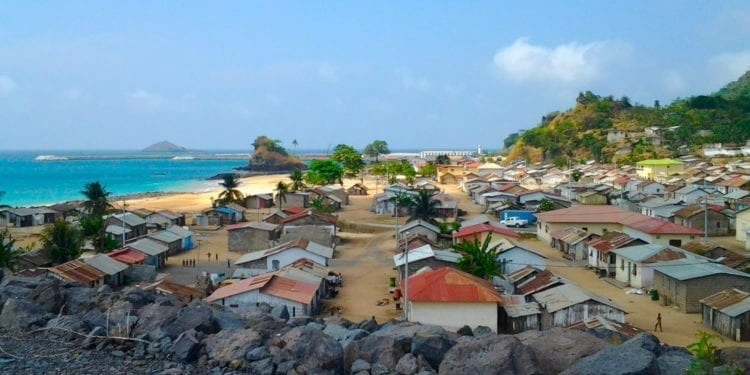
Annobon is a small volcanic island covering only 17 km², making it one of the most isolated regions in Equatorial Guinea.
Its remoteness from the mainland led to a self-sufficient society where community cooperation is essential. The Atlantic Ocean plays a crucial role in their way of life, as fishing is the primary economic activity. The Annobonese culture revolves around the sea, with traditional fishing methods and maritime rituals passed down through generations.
Social Organization of the Annobonese Tribe
Annobon’s society is based on strong community bonds, where family and cooperation are central values.
Villages are structured around extended families, with collective decision-making playing a key role in governance. Elders hold significant influence, acting as custodians of history, customs, and traditions.
Gender roles are well-defined within the community. Men engage in fishing and boat-building, ensuring food supply and trade, while women manage subsistence farming, household responsibilities, and food preparation. These social structures contribute to the island’s resilience and self-sufficiency.
The Economy of Annobon Island
The economy in Annobon relies on fishing, subsistence farming, and limited trade due to its geographic isolation.
Fishing is the main source of livelihood, with families depending on tuna, sardines, and other marine resources for food and trade. Agriculture is restricted by limited arable land, but the islanders cultivate bananas, coconuts, cassava, and taro using sustainable techniques.
Trade with mainland Equatorial Guinea is minimal due to the island’s remote location, making Annobón highly dependent on government aid for essential goods.
Religion and Beliefs in Annobon
Catholicism is the dominant religion in Annobon, introduced by Portuguese missionaries and later reinforced by Spanish colonizers.
Religious events like Christmas and Holy Week are widely celebrated, but many Annobonese people continue to practice ancestral spiritual traditions, such as nature worship and rituals honoring spirits. This blend of Christianity and traditional beliefs has created a unique religious syncretism in Annobón.
Annobonese Culture and Traditions
Despite centuries of colonial influence, the Annobonese tribe have preserved a distinct cultural identity, deeply rooted in language, music, dance, and cuisine.
Language: Fa d’Ambô
Fa d’Ambô is a Portuguese-based Creole language spoken exclusively in Annobón. While Spanish is the official language of Equatorial Guinea, Fa d’Ambô remains a vital part of Annobonese identity, used in daily conversations and cultural expressions.
Music and Dance
Music and dance hold a central place in Annobonese traditions. Community gatherings feature drumming, singing, and storytelling through dance, especially during religious ceremonies, weddings, and festivals. The island’s rhythms showcase a blend of African and European musical influences.
Traditional Cuisine
Annobonese cuisine is centered around fish, seafood, and tropical crops. Dishes like smoked fish with plantains and boiled cassava are staples, often flavored with coconut and local spices to enhance their unique taste.
European Influence on Annobon
Portuguese Colonization
Portugal was the first European power to discover and colonize Annobon in the 15th century, using the island as a slave trade outpost. Portuguese influence is still evident in the island’s language (Fa d’Ambô), religious traditions, and cultural customs.
Spanish Rule
In 1778, Portugal ceded Annobon, Bioko, and Rio Muni to Spain under the Treaty of El Pardo. However, Spain paid little attention to Annobón, allowing the islanders to maintain much of their autonomy.
Cultural Preservation
As a minority in Equatorial Guinea, the Annobonese actively strive to preserve their language (Fa d’Ambô) and traditions, despite growing influences from Spanish-speaking mainland culture.
Infrastructure and Development
Annobon is a unique and remote region of Equatorial Guinea, offering great potential for growth and development. While the island faces challenges related to infrastructure and public services, ongoing efforts aim to enhance connectivity and economic opportunities. The Annobonese community and national authorities continue to shape initiatives that seek to improve local conditions and foster sustainable progress.
Tourism Potential in Annobon
Annobon’s stunning landscapes, pristine beaches, and volcanic formations make it a potential eco-tourism destination. However, current infrastructure and transportation limitations hinder the island’s ability to attract more international visitors. This situation is being address and improve as time progresses.
The Legacy of the Annobonese Tribe
The Annobonese people are a testament to cultural resilience, maintaining a strong identity despite centuries of isolation and colonization. Their language, traditions, and close-knit community values have helped them adapt to modern challenges while preserving their rich heritage.
As Annobón moves toward the future, promoting sustainable development, cultural conservation, and tourism opportunities could help the island thrive while ensuring that its unique traditions remain intact for future generations.
Conclusion
Annobón is an undiscovered gem of Equatorial Guinea, offering a rich cultural history, breathtaking landscapes, and a resilient people. Despite its challenges, the Annobonese culture continues to thrive, blending African and European influences into a distinct identity that makes the island truly unique.
By investing in economic development, cultural preservation, and sustainable tourism, Annobón has the potential to become not only a vibrant cultural hub but also a interesting travel destination in Central Africa.
¿Te ha gustado? Compártelo con tus amigos en cualquier red social y ayúdanos a crecer.

Ndowe Tribe: History, Culture & Legacy in Equatorial Guinea
Discover the Ndowe tribe’s rich history, culture, and traditions in Equatorial Guinea, from their origins to their enduring legacy today.
The Benga People and Their Connection to Corisco: History, Culture, and Tradition
Discover the rich history, culture, and traditions of the Benga people of Equatorial Guinea. Learn about their origins, society, and legacy.

Birdwatching Guide for Travelers in Equatorial Guinea
Did you know that Equatorial Guinea is one of the best birdwatching destinations in West Africa? If you’re passionate about nature, photography, or simply looking for a different kind of trip, get ready to look up and fall in love with a sky full of life and color. With over 300 bird species, many of them endemic or hard to find elsewhere in the world, this small country is a gem for birdwatching tourism enthusiasts.
From the misty peaks of Pico Basile to the jungles of Monte Alén and the calm banks of coastal rivers, every corner offers a natural concert of songs, acrobatic flights, and stunning colors.
History, Culture and Tradition on Annobon
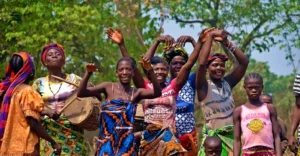
Annobon, a remote and fascinating island of Equatorial Guinea, boasts a rich history, vibrant culture, and deep-rooted traditions. Influenced by its Portuguese and African heritage, the island’s unique Creole identity is reflected in its language, music, and customs. From traditional dances to community-driven fishing practices, Annobon offers a glimpse into a way of life shaped by resilience and a strong sense of unity.

Sea Turtles in Equatorial Guinea: A Hidden Treasure to Discover
On the beaches of Equatorial Guinea, sea turtle nesting is a unique spectacle. These coasts are home to species like the leatherback and green turtle, offering a magical experience. A perfect destination for nature and conservation lovers. Experience it up close!
The Tropical Fruits of Equatorial Guinea: A Natural Treasure
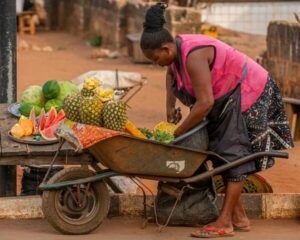
Discover the exotic fruits of Equatorial Guinea, such as pineapple, guava, banana, djaka, breadfruit, and abam. Learn about their nutritional benefits, cultivation methods, and their importance in local culture.
Bere Stone: The Ecological Gem*
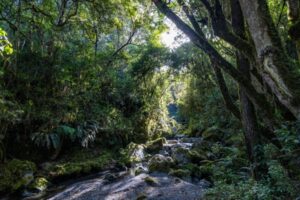
Bere Stone is one of the ecological gems gaining increasing significance in the sustainable tourism scene of Equatorial Guinea.

Scientific Reserve of the Great Crater of Luba: All Its Secrets
Discover the Scientific Reserve of the Great Crater of Luba in Equatorial Guinea, a natural paradise that invites you to explore lush rainforests, pristine beaches, and unique vegetation.