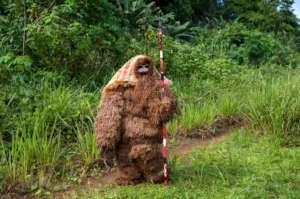
Sea Turtles in Equatorial Guinea: A Hidden Treasure to Discover
Equatorial Guinea, located in the heart of the Gulf of Guinea, is a hidden paradise for many, yet it harbors an impressive biodiversity. Its pristine beaches, lush jungles, and crystal-clear waters make this country a promising destination for ecotourism enthusiasts. Among Equatorial Guinea’s natural treasures, sea turtles stand out as fascinating creatures that have roamed the oceans for millions of years.
Each year, on the beaches of Bioko Island, a unique natural spectacle takes place: the arrival of several sea turtle species to nest. This event is not only an attraction for visitors but also a reminder of the importance of protecting these endangered species. Below, we will explore everything you need to know about these turtles, the challenges they face, and how you can enjoy a responsible ecotourism experience in Equatorial Guinea.
The Importance of Sea Turtles
Sea turtles are key to the health of marine ecosystems. Their diet helps maintain the balance of habitats such as seagrass meadows and coral reefs. For example, by feeding on jellyfish, green turtles help control the population of these species. Additionally, their nests on the beaches provide essential nutrients for the coastal ecosystem, as many of the unhatched eggs enrich the soil.
In Equatorial Guinea, sea turtles also hold deep cultural symbolism. For many local communities, they are an emblem of the connection between humans and nature, although the unsustainable use of these animals in the past has threatened their existence.
Sea Turtle Species in Equatorial Guinea
On the country’s shores, especially on the beaches of Bioko, three main species of sea turtles can be found:
Green Turtle (Chelonia mydas)
The green turtle is one of the most common species on the beaches of Equatorial Guinea. Its name comes from the green coloration of its body fat, a result of its predominantly herbivorous diet based on algae and seagrass.
- Size and Characteristics: It can grow over a meter in length and weigh up to 200 kg.
- Habitat and Migration: These turtles migrate long distances between their feeding areas and the beaches where they nest, following a pattern known as philopatry, which leads them back to their birthplace.
Nesting mainly occurs between November and March. During this process, females lay between 100 and 200 eggs per nest. However, the green turtle faces significant threats such as poaching, pollution, and the effects of climate change.
leatherback turtle (Psidium guajava)
The leatherback turtle is the largest of all sea turtles, with a weight that can exceed 600 kg and a length of over 2 meters. Its flexible shell, covered with thick skin, distinguishes it from other species.
- Distribution: This highly migratory species is known for withstanding colder waters thanks to its thermal regulation ability.
- Reproduction: During the nesting season (November to March), females lay up to 100 eggs per nest. However, many hatchlings do not survive predators or the journey to the ocean.
The leatherback turtle faces threats such as bycatch, plastic pollution, and the effects of global warming.
Hawksbill Turtle (Eretmochelys imbricata)
The hawksbill turtle, smaller than the previous species, is known for its beautiful shell, which has historically been exploited to make decorative items. This species, which primarily feeds on sponges, is vital for the health of coral reefs.
- Conservation Status: The IUCN classifies the hawksbill turtle as critically endangered due to poaching and habitat loss.
- Reproductive Habits: Females nest every two to three years, laying up to 150 eggs per nest.
Main Nesting Areas in Equatorial Guinea
Bioko Island is home to beaches that are essential nesting refuges for sea turtles:
- Moraka Beach: Known for the high concentration of green turtles during the peak season.
- Moaba Beach: A place mainly frequented by the leatherback turtle.
- Ureka Beach: This remote paradise allows visitors to observe the nesting cycle in a pristine environment.
These beaches are not only areas of great biodiversity but also spaces where tourists can learn about the importance of conservation.
Threats to Sea Turtles
Despite their ecological importance, sea turtles face numerous threats:
- Poaching: Eggs and adults are illegally captured for consumption or trade.
- Marine Pollution: Plastics pose a serious danger as turtles mistake them for food.
- Climate Change: Rising sea levels and temperatures affect their nesting sites and may alter the sex ratio of hatchlings.
- Bycatch: Many turtles get caught in fishing nets, drastically reducing their populations.
Responsible Ecotourism: How to Contribute
Ecotourism plays a crucial role in the protection of sea turtles. Here are some tips to enjoy this experience without negatively impacting them:
- Avoid touching or disturbing the turtles during nesting.
- Use red light flashlights to avoid disorienting the hatchlings.
- Participate in tours organized by local experts who follow conservation guidelines.
- Collaborate with volunteer projects focused on protecting nests and releasing hatchlings.
Benefits of Ecotourism for Local Communities
Ecotourism not only benefits sea turtles but also local communities. By supporting sustainable initiatives, tourists contribute to:
- Job Creation: Local guides and park rangers find new employment opportunities.
- Environmental Education: Interaction with visitors fosters mutual learning.
- Active Conservation: Revenue from sustainable tourism is reinvested in protection projects.
.
Conclusion on turtles in Equatorial Guinea
If you visit Equatorial Guinea, you cannot miss:
- Night tours at Ureka Beach to observe turtle nesting.
- Volunteer programs with local organizations.
- Exploration of marine ecosystems with trained guides.
Equatorial Guinea is a unique destination to enjoy ecotourism while actively contributing to the conservation of sea turtles. By respecting their nature and supporting local initiatives, you will not only witness an impressive spectacle but also leave a positive impact on this delicate ecosystem.
Come to Equatorial Guinea and be part of this ancient journey that connects humans with nature!
¿Te ha gustado? Compártelo con tus amigos en cualquier red social y ayúdanos a crecer.

Ndowe Tribe: History, Culture & Legacy in Equatorial Guinea
Discover the Ndowe tribe’s rich history, culture, and traditions in Equatorial Guinea, from their origins to their enduring legacy today.
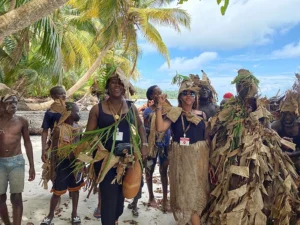
The Benga People and Their Connection to Corisco: History, Culture, and Tradition
Discover the rich history, culture, and traditions of the Benga people of Equatorial Guinea. Learn about their origins, society, and legacy.
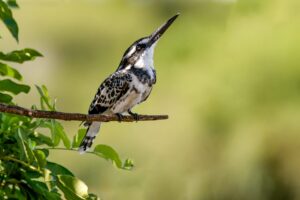
Birdwatching Guide for Travelers in Equatorial Guinea
Did you know that Equatorial Guinea is one of the best birdwatching destinations in West Africa? If you’re passionate about nature, photography, or simply looking for a different kind of trip, get ready to look up and fall in love with a sky full of life and color. With over 300 bird species, many of them endemic or hard to find elsewhere in the world, this small country is a gem for birdwatching tourism enthusiasts.
From the misty peaks of Pico Basile to the jungles of Monte Alén and the calm banks of coastal rivers, every corner offers a natural concert of songs, acrobatic flights, and stunning colors.

History, Culture and Tradition on Annobon
Annobon, a remote and fascinating island of Equatorial Guinea, boasts a rich history, vibrant culture, and deep-rooted traditions. Influenced by its Portuguese and African heritage, the island’s unique Creole identity is reflected in its language, music, and customs. From traditional dances to community-driven fishing practices, Annobon offers a glimpse into a way of life shaped by resilience and a strong sense of unity.
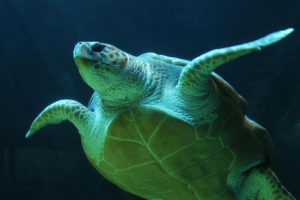
Sea Turtles in Equatorial Guinea: A Hidden Treasure to Discover
On the beaches of Equatorial Guinea, sea turtle nesting is a unique spectacle. These coasts are home to species like the leatherback and green turtle, offering a magical experience. A perfect destination for nature and conservation lovers. Experience it up close!
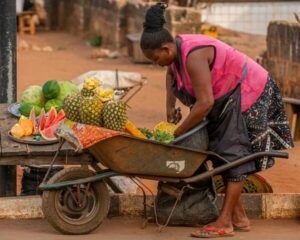
The Tropical Fruits of Equatorial Guinea: A Natural Treasure
Discover the exotic fruits of Equatorial Guinea, such as pineapple, guava, banana, djaka, breadfruit, and abam. Learn about their nutritional benefits, cultivation methods, and their importance in local culture.
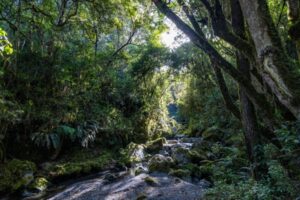
Bere Stone: The Ecological Gem*
Bere Stone is one of the ecological gems gaining increasing significance in the sustainable tourism scene of Equatorial Guinea.
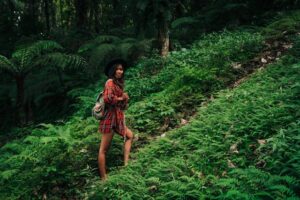
Scientific Reserve of the Great Crater of Luba: All Its Secrets
Discover the Scientific Reserve of the Great Crater of Luba in Equatorial Guinea, a natural paradise that invites you to explore lush rainforests, pristine beaches, and unique vegetation.