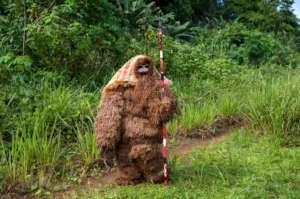
Discover the Natural Reserve of the Muni River Estuary.
The Muni River Estuary is considered one of the most important in all of Central Africa. Its significance is so great that it is part of the Ramsar Convention for its conservation. That’s why we’re here to tell you all about the Muni River Estuary Natural Reserve.
According to the dictionary, an estuary is the mouth of a large and deep river flowing into the sea. This creates a phenomenon where fresh and saltwater exchange, mixing as the river meets the sea. Additionally, sediments are transferred from one body of water to another.
Anatomy of the Muni River Estuary Natural Reserve: Location and Extent
As we’ve already mentioned, an estuary is the mouth where fresh river water flows into the sea. In the case of the Muni River, the name actually refers to the estuary of the Muni River, which is named after the river that feeds it.
This river and estuary are part of both Equatorial Guinea’s continental region and the neighboring country of Gabon, in the Corisco Bay. The approximate extent of the scientific reserve formed by the estuary is 460 square kilometers, with 370 km² of terrestrial habitat and 90 km² of marine and river habitat.
Geography of the Muni River Estuary Natural Reserve
According to experts, the terrain of the Muni River is characterized by alluvial lands that are either flooded or flood-prone, as well as lowlands and hills. The lowlands are situated alongside the river, which is why they are prone to flooding, while the hills and ridges surround the estuary.
Most of the rocks and ridges are composed of sedimentary soils dating back to the Cretaceous period and the Meso-Cenozoic era, when the continental shelf was formed. Regarding hydrology, the Muni River (which forms the estuary) is the predominant tributary.
Climate of the Muni River Estuary Natural Reserve
Regarding the climate of the Muni River Estuary, it falls within the continental climate classification of Equatorial Guinea. The region is characterized by a warm and humid climate, with the sea playing a significant role in regulating temperatures.
There are four distinct seasons: two rainy seasons from September to November and from March to May, and two dry seasons from December to February and from June to August.
What is the flora of the Muni River Estuary Natural Reserve like?
Being a region rich in sediments and water, the flora of the Muni River is quite abundant and thriving. The area features lush rainforest and coastal forest. Additionally, a large part of the Muni River Estuary is covered by extensive mangroves.
Mangrove areas, including both red and white mangroves, are most concentrated along riverbanks and brackish water zones. Inland forests are home to tropical trees such as Miam, Ebap, Andok, and Alep, among other species.
And what about the fauna?
As with the flora, the fauna is among the richest in the continental region. One of the most notable species is the manatee, which is found only in this area throughout Equatorial Guinea. It is believed that the manatee population is large and abundant.
Other species include the golden slow loris and the large slow loris. The reserve is also home to the giant galago, Alén’s galago, the collaring mangabey, wild boars, antelopes, civets, genets, crocodiles, Egyptian mongooses, rodents, turtles, and more.
Do people live in the National Park of the Muni River Estuary Natural Reserve?
A significant advantage of the Muni River and its estuary is that there are no large populations. Instead, there are small, permanent villages located on the edges of the estuary and the conservation area.
These communities are primarily engaged in subsistence agriculture, fishing, and hunting, as well as gathering forest products. Many of these people travel to the border with Gabon to buy or sell their goods.
Conservation Status of the Muni River Estuary Natural Reserve
Regarding its conservation status, the Muni River Estuary is considered a priority for conservation. However, there are currently no studies available on the area.
Key actions include formalizing the protected area further and preventing poaching and deforestation.
Tourism in the Muni River Estuary Natural Reserve
Tourism in the Muni River Estuary Natural Reserve is ideal for those interested in ecotourism and birdwatching, as the area is a crucial refuge for a wide variety of migratory bird species. Canoe excursions through the mangroves and guided walks along natural trails allow visitors to explore the pristine beauty of the region.
Additionally, the Muni River Estuary Natural Reserve offers an opportunity to connect with local communities, who share their knowledge about the sustainable use of natural resources. This cultural experience further enriches the visit, making it a journey of learning and environmental awareness. It is a destination that undoubtedly promotes responsible and sustainable tourism in harmony with nature.
¿Te ha gustado? Compártelo con tus amigos en cualquier red social y ayúdanos a crecer.

Ndowe Tribe: History, Culture & Legacy in Equatorial Guinea
Discover the Ndowe tribe’s rich history, culture, and traditions in Equatorial Guinea, from their origins to their enduring legacy today.
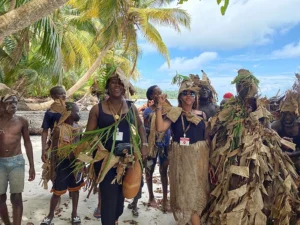
The Benga People and Their Connection to Corisco: History, Culture, and Tradition
Discover the rich history, culture, and traditions of the Benga people of Equatorial Guinea. Learn about their origins, society, and legacy.

Birdwatching Guide for Travelers in Equatorial Guinea
Did you know that Equatorial Guinea is one of the best birdwatching destinations in West Africa? If you’re passionate about nature, photography, or simply looking for a different kind of trip, get ready to look up and fall in love with a sky full of life and color. With over 300 bird species, many of them endemic or hard to find elsewhere in the world, this small country is a gem for birdwatching tourism enthusiasts.
From the misty peaks of Pico Basile to the jungles of Monte Alén and the calm banks of coastal rivers, every corner offers a natural concert of songs, acrobatic flights, and stunning colors.

History, Culture and Tradition on Annobon
Annobon, a remote and fascinating island of Equatorial Guinea, boasts a rich history, vibrant culture, and deep-rooted traditions. Influenced by its Portuguese and African heritage, the island’s unique Creole identity is reflected in its language, music, and customs. From traditional dances to community-driven fishing practices, Annobon offers a glimpse into a way of life shaped by resilience and a strong sense of unity.

Sea Turtles in Equatorial Guinea: A Hidden Treasure to Discover
On the beaches of Equatorial Guinea, sea turtle nesting is a unique spectacle. These coasts are home to species like the leatherback and green turtle, offering a magical experience. A perfect destination for nature and conservation lovers. Experience it up close!
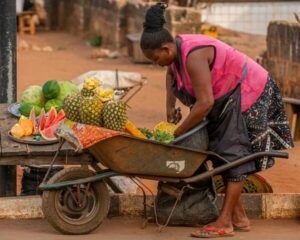
The Tropical Fruits of Equatorial Guinea: A Natural Treasure
Discover the exotic fruits of Equatorial Guinea, such as pineapple, guava, banana, djaka, breadfruit, and abam. Learn about their nutritional benefits, cultivation methods, and their importance in local culture.
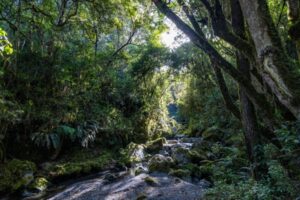
Bere Stone: The Ecological Gem*
Bere Stone is one of the ecological gems gaining increasing significance in the sustainable tourism scene of Equatorial Guinea.

Scientific Reserve of the Great Crater of Luba: All Its Secrets
Discover the Scientific Reserve of the Great Crater of Luba in Equatorial Guinea, a natural paradise that invites you to explore lush rainforests, pristine beaches, and unique vegetation.