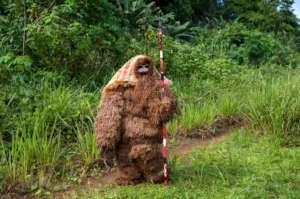
Essential Recommendations and Tips for Traveling to Equatorial Guinea
Hello, adventurous traveler! If you’re planning an adventure to Equatorial Guinea, you’ll find yourself in a unique and fascinating destination, full of lush landscapes, rich biodiversity, and a vibrant culture. However, as with any journey to a lesser-known destination, preparation is key to ensuring a safe and enjoyable experience. In this guide, we’ve compiled the best tips and recommendations for traveling to Equatorial Guinea, from obtaining visas and the importance of vaccinations, to managing local currency and what to expect in terms of climate. Keep reading to discover everything you need to know before embarking on your journey to Equatorial Guinea. We’re here to help you have an unforgettable adventure!
Preparations Before Traveling to Equatorial Guinea
1- Visa and Documentation
Make sure to obtain the relevant Equatorial Guinea visa before traveling. If you have any questions, check online or with us about the specific requirements. Recommendation: carefully read the instructions on your visa. Note that the online visa is valid exclusively for arrivals by plane at Malabo airport. We don’t want you to get stuck at the airport!
2- Valid Passport
Ensure that your passport has at least six months validity from the date of entry into the country. No expired passports, please! Also, always carry the original document with you, not a photocopy or a photo. Nothing beats having the original!
3- Vaccinations
Yellow fever vaccination is mandatory, and it is also recommended to get vaccinated against hepatitis A and B, typhoid fever, and malaria prophylaxis. Your health comes first!
4- Travel Insurance
Important Tip for Equatorial Guinea: Purchase travel insurance that covers medical expenses and repatriation in case of emergencies. Traveling safely is traveling with peace of mind!
Practical Aspects of the Trip
5- Local Currency
The official currency is the CFA Franc (XAF) – beware, do not confuse it with XOF! Carry some cash with you as credit cards are not widely accepted. You wouldn’t want to miss out on buying those souvenirs!
6 - Currency Exchange
Exchanging money isn’t always straightforward. We recommend exchanging currency before your arrival. If you need assistance, feel free to contact us before your trip to explore options. We’re here to help!
7- International Calls - Stay in Touch with Your Loved Ones
Get a local SIM card to facilitate communication. The main providers are GETESA and Muni. Stay connected at all times!
8 - Internet
Internet connection can be slow and may not be available everywhere. Plan your online work accordingly. Take some time to disconnect and enjoy the scenery!
9 - Power
The voltage is 220V. Bring a power adapter if your devices have a different plug type. This way, your gadgets won’t run out of battery!
10 - Language
The official languages are Spanish, French, and Portuguese, along with several local vernacular languages. However, the majority of the population speaks Spanish. Our guides also speak English, although it might not be perfect, so we kindly ask for a little understanding!
Tips for Enjoying Your Trip
11 - Climate and Attire
Equatorial Guinea has a tropical climate. Pack lightweight, breathable clothing, and bring a raincoat or umbrella for the rainy season. Don’t let the rain spoil your outing!
12 - Photography
Always ask for permission before taking photos of people or private properties. Photographing government or military facilities is strictly prohibited—avoid trouble with the authorities!
Normally, this wouldn’t need to be said, but unfortunately, we must emphasize it due to past incidents: NEVER take photos of people without their consent, and absolutely not if they are minors!
13 - Respect for Nature
Equatorial Guinea boasts rich biodiversity. Respect national parks and refrain from littering. Let’s care for the planet together!
14 - Tipping
Tipping is not mandatory but is always appreciated. In restaurants, it is customary to leave between 5% and 10% of the total bill, avoiding leaving coins. It’s a small gesture to thank for great service!
Transportation and Transfers
In certain areas of the country, transfers can take longer due to mountainous terrain or road conditions. While our guides and vehicles are equipped to ensure your comfort, we recommend being prepared for potentially long journeys, especially when visiting remote areas like Ureka or Monte Alén. Patience is key!
Flexible but Planned Itineraries
In some cases, itineraries may need to be adjusted due to:
- Weather conditions: For example, at Pico Basile, visibility can vary depending on the weather.
- Site availability: Certain locations may be closed during holidays or local events.
- Client preferences: We always strive to accommodate your wishes, but we recommend following the planned itinerary to make the most of your experience.
If you’d like to modify any aspect of your itinerary, please let us know in advance so we can ensure it’s feasible.
Activities and Destinations
In Equatorial Guinea, every activity and destination has its own unique charm, from breathtaking landscapes to unforgettable cultural experiences. To help you make the most of your visit, we provide key details about what you can expect from the most popular activities.
Basile Peak
- What to Expect: A journey to the highest point of Equatorial Guinea, offering panoramic views of Bioko Island and, on clear days, Mount Cameroon.
- Weather Conditions: Visibility can vary, especially on cloudy days. We recommend choosing a clear day to enjoy the views and bringing warm clothing, as it can get cold.
- Difficulty Level: Suitable for all ages, as most of the journey is by vehicle, with optional short walks.
Ureka and the waterfalls
- What to expect: An immersive experience in one of the rainiest regions of the world, with hikes to spectacular waterfalls and pristine beaches.
- Difficulty level: Moderate, as the trails involve crossing small rivers and walking through natural paths.
- Recommendations: Bring comfortable footwear, light clothing, waterproof gear, and insect repellent. If you want to take a dip, bring a towel and swimsuit.
Monte Alen
- What to expect: A national park full of biodiversity, with the possibility of spotting forest elephants, gorillas, and tropical birds. However, these chances are quite remote, and camping may be necessary to have even a minimal opportunity.
- Difficulty level: Ideal for those who enjoy hiking and nature. The trails may be long, but they reward you with unique landscapes.
- Recommendations: It is essential to have a local guide due to the dense jungle.
Corisco and its beaches
- What to expect: White sand beaches and crystal-clear waters, perfect for relaxing, exploring, and enjoying a peaceful and exclusive atmosphere. Corisco is known for its marine biodiversity and unmatched landscapes.
- Activities: In addition to relaxing, you can explore the island on foot or take a cultural tour to learn more about the colonial history and the island’s connection with local cultures.
- Light and Water Conditions: The supply of light and water on Corisco depends on the electricity supply, which is beyond our control. Typically, electricity is available for about 8 hours a day, which may affect the availability of light and water on the island.
Trip to Corisco:
The transfer from Cabo San Juan to Corisco is by motorboat, and its availability depends on operational conditions.
- Duration of the trip: It can vary depending on the tides, so departure and arrival times may change unexpectedly to ensure the safety of the trip.
- Safety measures: The trip will be managed under the supervision of the captain.
- Recommendations: Bring sunscreen, a hat, and light clothing to enjoy the sun. It’s also advisable to bring comfortable footwear for walking around the island and, if you plan to engage in water activities, don’t forget your water sandals or personal snorkeling gear.
Other useful tips
Tourist permits
Many tourist areas and national parks require permits for entry. Contact us if you have any questions. We will handle the permits for you!
Respect the law
Drug trafficking and other illegal activities are severely punished. Don’t get into trouble!
Drones
The entry of drones is prohibited unless authorized by the Ministry of Security. If it’s not for a specific purpose, it’s better not to bring it, as it’s highly likely it will be confiscated and not returned. Don’t risk your drone!
Emergencies
Keep the local emergency numbers handy, including the police, medical services, and your country’s embassy. We hope you won’t need them, but it’s better to be prepared!
Local transport
Public transportation can be limited and unreliable. Consider renting a car or using trusted taxis. Ask locals or at your hotel for recommendations on safe transportation.
Driving
It’s better if you don’t drive, you’ll save yourself a lot of headaches. The road conditions and traffic laws can be a real challenge for foreigners. Honestly, it’s not worth it. They always tell us they can handle it, but then they regret it. We know you’ve driven all over Africa without issues and you have your international driver’s license in order. Still, trust us, it’s better not to drive. Trust us.
Food
Try the local cuisine, it’s delicious. But be cautious with raw or undercooked food. Choose to eat at recommended places to avoid stomach issues.
Water
Always drink bottled water and avoid ice in drinks if you’re not sure of the source. Carry a reusable water bottle and purifiers if necessary.
Opening hours
Some tourist spots, like cultural centers, churches, or historical buildings, have restricted opening hours or may be closed during holidays, weekends, and other special dates. Many times, even we don’t find out in time! We apologize in advance!
Final tips for Your Trip to Equatorial Guinea
Following these recommendations and tips, you’ll be able to enjoy a safe and pleasant trip to Equatorial Guinea. If you have any other questions or suggestions, feel free to contact us. We want to ensure that your experience is as enjoyable as possible.
Additionally, if you need personalized assistance, our travel experts are available to help you plan every detail of your adventure. From recommendations on must-see places to practical tips for daily life, we’ve prepared an additional detailed guide on Equatorial Guinea in case you need it.
We’re thrilled to be part of your journey and to help you create unforgettable memories in Equatorial Guinea! We’re eagerly awaiting to embark on this incredible adventure together with you!
Did you like it? Share it with your friends on any social network and help us grow.

Ndowe Tribe: History, Culture & Legacy in Equatorial Guinea
Discover the Ndowe tribe’s rich history, culture, and traditions in Equatorial Guinea, from their origins to their enduring legacy today.
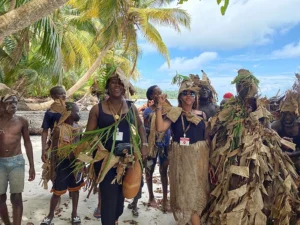
The Benga People and Their Connection to Corisco: History, Culture, and Tradition
Discover the rich history, culture, and traditions of the Benga people of Equatorial Guinea. Learn about their origins, society, and legacy.

Birdwatching Guide for Travelers in Equatorial Guinea
Did you know that Equatorial Guinea is one of the best birdwatching destinations in West Africa? If you’re passionate about nature, photography, or simply looking for a different kind of trip, get ready to look up and fall in love with a sky full of life and color. With over 300 bird species, many of them endemic or hard to find elsewhere in the world, this small country is a gem for birdwatching tourism enthusiasts.
From the misty peaks of Pico Basile to the jungles of Monte Alén and the calm banks of coastal rivers, every corner offers a natural concert of songs, acrobatic flights, and stunning colors.
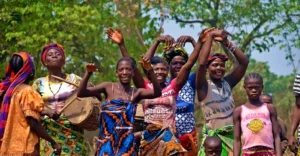
History, Culture and Tradition on Annobon
Annobon, a remote and fascinating island of Equatorial Guinea, boasts a rich history, vibrant culture, and deep-rooted traditions. Influenced by its Portuguese and African heritage, the island’s unique Creole identity is reflected in its language, music, and customs. From traditional dances to community-driven fishing practices, Annobon offers a glimpse into a way of life shaped by resilience and a strong sense of unity.
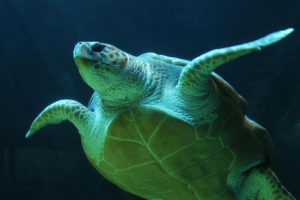
Sea Turtles in Equatorial Guinea: A Hidden Treasure to Discover
On the beaches of Equatorial Guinea, sea turtle nesting is a unique spectacle. These coasts are home to species like the leatherback and green turtle, offering a magical experience. A perfect destination for nature and conservation lovers. Experience it up close!
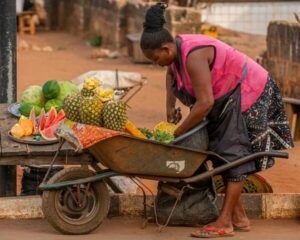
The Tropical Fruits of Equatorial Guinea: A Natural Treasure
Discover the exotic fruits of Equatorial Guinea, such as pineapple, guava, banana, djaka, breadfruit, and abam. Learn about their nutritional benefits, cultivation methods, and their importance in local culture.
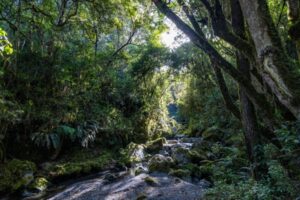
Bere Stone: The Ecological Gem*
Bere Stone is one of the ecological gems gaining increasing significance in the sustainable tourism scene of Equatorial Guinea.
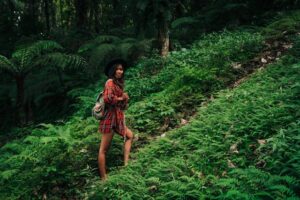
Scientific Reserve of the Great Crater of Luba: All Its Secrets
Discover the Scientific Reserve of the Great Crater of Luba in Equatorial Guinea, a natural paradise that invites you to explore lush rainforests, pristine beaches, and unique vegetation.