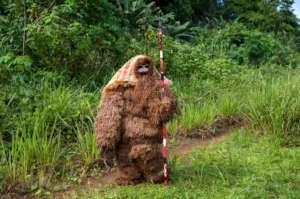
The Benga People and Their Connection to Corisco: History, Culture, and Tradition
Who are the Bengas?
The Benga people are a Bantu ethnic group primarily inhabiting the islands and coastal regions of Equatorial Guinea, notably Corisco, Elobey Grande, Elobey Chico, and some areas of the continental coastline of Río Muni. Historically, the Bengas have been a maritime people with a deep connection to the ocean, relying on fishing and coastal trade for their livelihood.
The Benga language, part of the Bantu family, is their traditional tongue, although many also speak Spanish today. Despite modernization, their cultural identity remains deeply rooted in their traditions and customs.
Origins of the Bengas
The Bengas are part of the Bantu migrations that spread from Central Africa to the Atlantic coast. They settled in Corisco and other islands due to their strategic location for navigation and trade.
Migration and Settlement
The Bantu migrations between 2000 BCE and 1500 CE led the Bengas to establish themselves along the coasts and archipelagos of the Gulf of Guinea. The island of Corisco, with its privileged access to the sea, was a key point for their economic and social development.
Social Organization of the Benga People
The Benga society is organized into family clans with well-defined hierarchical structures.
Clans and Leadership
Each clan has a chief or respected elder who leads the community, acting as a mediator and spiritual guide. Important decisions are made collectively in community assemblies.
Gender Roles
Benga men engage in fishing, canoe building, and maritime trade, while women play a fundamental role in fish preparation and sales, agriculture, and household management.
Economy of the Benga People
The economy of the Bengas is primarily based on the sea, with fishing, trade, and subsistence agriculture as their main activities.
Fishing and Maritime Trade
Fishing is the primary economic activity of the Bengas, utilizing traditional techniques with nets, harpoons, and canoes. The island of Corisco has been a key commercial exchange point in the region.
Throughout history, the Bengas developed a trade network connecting the islands with the mainland, trading fish, salt, and agricultural products with other African groups and, later, Europeans.
Benga Spirituality and Beliefs
Benga spirituality is closely linked to nature and the sea.
Animism and Marine Spirituality
The Bengas practiced animism, venerating ancestral spirits and natural elements. They believed that sea spirits influenced fishing and navigation, performing rituals for protection and safety in their voyages.
Influence of Christianity
During colonization, missionaries introduced Christianity, especially Protestantism. However, many traditional practices have remained within Benga culture.
Contact with Europeans and Colonization
The Benga people had early contact with Europeans due to their coastal and island location.
Early Contact and Atlantic Trade
From the 15th century, the Portuguese were the first to arrive in Corisco and other Benga-inhabited islands. Later, the British, Dutch, and Spanish interacted with them, valuing the strategic position of these islands as trade and navigation hubs.
Resistance to Colonization
Despite Spanish rule over Corisco and other regions, the Bengas resisted colonial imposition and fought to maintain their cultural autonomy.
Culture and Traditions of the Benga People
The Benga culture is rich in maritime, musical, and culinary traditions.
Music and Dance
Benga music includes chants and drumming used to narrate community stories and celebrate their connection to the sea. Traditional dances reflect their spiritual and social heritage.
Canoe Building and Navigation
The Bengas are renowned for their skill in canoe building, essential for fishing, transportation, and trade.
Gastronomy
The Benga diet is based on fish, seafood, and local agricultural products such as plantains and cassava. They use traditional methods of smoking and preserving fish.
The Benga People Today
The Bengas continue to face challenges in preserving their culture and identity.
Cultural Preservation
Despite the influence of Spanish and modernization, the Bengas continue to promote their language and traditions in local communities.
Modern Challenges and Tourism
Limited access to economic opportunities and political marginalization have affected the Bengas, but Corisco Island and the Elobey Islands represent great potential for cultural and ecological tourism.
Legacy of the Benga People
The Bengas have been a fundamental part of Equatorial Guinea’s history, especially along the Atlantic coast and islands. Their ability to adapt to their maritime environment, their resistance to colonization, and their rich culture make them an essential group for understanding the country’s diversity.
¿Te ha gustado? Compártelo con tus amigos en cualquier red social y ayúdanos a crecer.

Ndowe Tribe: History, Culture & Legacy in Equatorial Guinea
Discover the Ndowe tribe’s rich history, culture, and traditions in Equatorial Guinea, from their origins to their enduring legacy today.
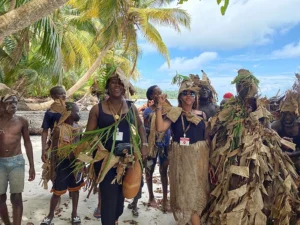
The Benga People and Their Connection to Corisco: History, Culture, and Tradition
Discover the rich history, culture, and traditions of the Benga people of Equatorial Guinea. Learn about their origins, society, and legacy.

Birdwatching Guide for Travelers in Equatorial Guinea
Did you know that Equatorial Guinea is one of the best birdwatching destinations in West Africa? If you’re passionate about nature, photography, or simply looking for a different kind of trip, get ready to look up and fall in love with a sky full of life and color. With over 300 bird species, many of them endemic or hard to find elsewhere in the world, this small country is a gem for birdwatching tourism enthusiasts.
From the misty peaks of Pico Basile to the jungles of Monte Alén and the calm banks of coastal rivers, every corner offers a natural concert of songs, acrobatic flights, and stunning colors.
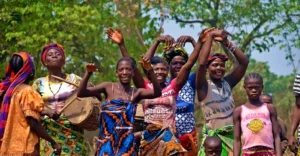
History, Culture and Tradition on Annobon
Annobon, a remote and fascinating island of Equatorial Guinea, boasts a rich history, vibrant culture, and deep-rooted traditions. Influenced by its Portuguese and African heritage, the island’s unique Creole identity is reflected in its language, music, and customs. From traditional dances to community-driven fishing practices, Annobon offers a glimpse into a way of life shaped by resilience and a strong sense of unity.
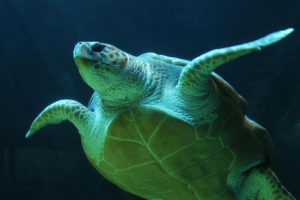
Sea Turtles in Equatorial Guinea: A Hidden Treasure to Discover
On the beaches of Equatorial Guinea, sea turtle nesting is a unique spectacle. These coasts are home to species like the leatherback and green turtle, offering a magical experience. A perfect destination for nature and conservation lovers. Experience it up close!
The Tropical Fruits of Equatorial Guinea: A Natural Treasure
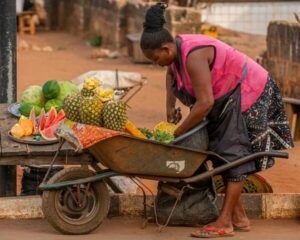
Discover the exotic fruits of Equatorial Guinea, such as pineapple, guava, banana, djaka, breadfruit, and abam. Learn about their nutritional benefits, cultivation methods, and their importance in local culture.
Bere Stone: The Ecological Gem*
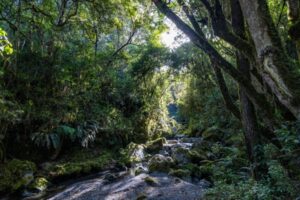
Bere Stone is one of the ecological gems gaining increasing significance in the sustainable tourism scene of Equatorial Guinea.
Scientific Reserve of the Great Crater of Luba: All Its Secrets
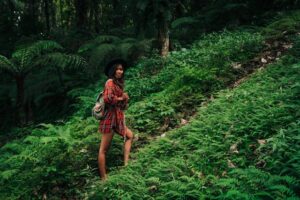
Discover the Scientific Reserve of the Great Crater of Luba in Equatorial Guinea, a natural paradise that invites you to explore lush rainforests, pristine beaches, and unique vegetation.