Ndowe Tribe: History, Culture & Legacy in Equatorial Guinea

Ndowe Tribe: History, Culture & Legacy of Equatorial Guinea

Who Are the Ndowe?

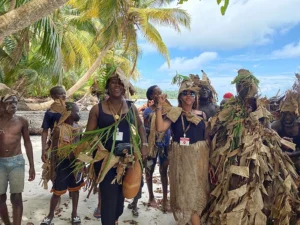
The Ndowe are an ethnic group primarily residing in the coastal regions of Río Muni, located in mainland Equatorial Guinea. Their name, “Ndowe,” means “the people” in their native language, which belongs to the Bantu linguistic family. Due to their proximity to the Atlantic Ocean, they are also known as “Playeros” (Beach Dwellers), a name that reflects their deep historical connection with fishing, maritime trade, and cultural exchange with other communities.

Origins of the Ndowe

The origins of the Ndowe are closely tied to Bantu migrations, which led them from inland Africa to the coasts of present-day Equatorial Guinea. Their settlement along the coastline allowed them to leverage the maritime resources and establish a thriving community.

Migration and Settlement

  • The Ndowe arrived at the Río Muni coastline in various waves, likely over 1,500 years ago.

  • Their strategic location near the ocean enabled them to develop a lifestyle centered around fishing, trade, and interaction with other coastal communities.

Social Organization of the Ndowe

Ndowe society was traditionally structured around a communal and hierarchical system, with a strong emphasis on family cohesion and clan cooperation.

Clans and Villages

  • The Ndowe lived in villages organized by clans, which were the fundamental social units.

  • Each clan was led by a chief or elder who held authority in social and spiritual matters.

  • Clans often collaborated in fishing and trade, reinforcing social bonds.

Local Economy

  • Fishing was the primary economic activity, complemented by subsistence farming, including crops like cassava, yams, and plantains.

  • Their coastal location encouraged the construction of canoes and small boats for fishing and trade.

Gender Roles

  • Ndowe women played crucial roles in agriculture, shellfish gathering, and household management.

  • Men were mainly responsible for fishing, hunting, and community defense.

Religion and Beliefs

Ndowe spirituality, like that of many Bantu peoples, was deeply connected to nature and ancestral worship. These beliefs influenced every aspect of daily life.

Animism and Spirituality

  • The Ndowe practiced animism, venerating spirits associated with natural elements like rivers, mountains, and trees.

  • Ancestors were regarded as sacred figures and spiritual protectors, honored through rituals.

Shamans and Healers

  • Shamans were highly respected figures responsible for performing rituals, healing illnesses, and resolving conflicts.

Rituals and Festivals

  • Celebrations often involved ceremonies thanking the sea for its resources or praying for bountiful harvests.

  • Music, dance, and drumming were essential elements of these festivities.

Interactions and Trade

Due to their strategic coastal location, the Ndowe were among the first peoples of Equatorial Guinea to interact with Europeans. These exchanges had a lasting impact on their history.

Contact with Europeans

  • From the 15th century onward, the Ndowe established trade relations with Portuguese explorers seeking slaves, ivory, and other goods.

  • By the 17th and 18th centuries, they interacted with British, Dutch, and Spanish traders.

Role in the Atlantic Trade

  • The Ndowe acted as intermediaries between European traders and inland African communities, facilitating commerce in ivory, timber, and enslaved individuals.

  • Despite their participation, the Ndowe also suffered from the instability and exploitation that the transatlantic slave trade brought.

Resistance to Colonialism

  • The Ndowe resisted Spanish colonial rule during the 19th century, striving to maintain political and cultural autonomy.

  • Although they were eventually incorporated into the colonial system, they preserved many of their traditions and social structures.

Culture and Traditions

Ndowe culture reflects their maritime heritage and deep-rooted Bantu ancestry.

Music and Dance

  • Traditional Ndowe music includes drumming, chanting, and dances, particularly during religious ceremonies and celebrations.

  • Dances often tell community stories, express gratitude to spirits, or commemorate important events like marriages or harvests.

Art and Craftsmanship

  • The Ndowe are skilled in boat and canoe construction, as well as in crafting wooden tools and utensils.

  • They also create ceremonial ornaments and artifacts that reflect their spiritual beliefs.

Gastronomy

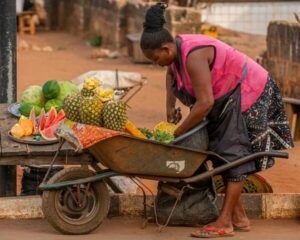
  • The Ndowe diet consists of fish, seafood, tubers such as cassava and yams, and tropical fruits.

  • Traditional dishes incorporate fresh ingredients and local spices.

The Ndowe People Today

Today, the Ndowe remain an important ethnic group in Equatorial Guinea, though they face challenges from modernization and globalization.

Identity and Language

  • While many Ndowe have adopted Spanish as their primary language, traditional Ndowe languages are still spoken in rural communities.

  • Cultural and religious traditions continue to thrive, particularly in communal ceremonies.

Political and Cultural Recognition

  • The Ndowe have advocated for the recognition of their cultural and political rights in Equatorial Guinea, emphasizing their historical contributions to the country.

Contemporary Contributions

  • Ndowe culture plays a significant role in the national identity of Equatorial Guinea, especially in coastal regions.

Ndowe Legacy

The Ndowe people have left an indelible mark on Equatorial Guinea’s history through their maritime trade, resistance to colonialism, and rich cultural heritage. Their story is one of resilience and adaptation in the face of historical and social changes.

Picture of Rumbo Malabo

Rumbo Malabo

Tour Operator in Equatorial Guinea

¿Te ha gustado? Compártelo con tus amigos en cualquier red social y ayúdanos a crecer.

Facebook
Twitter
LinkedIn
Email
WhatsApp
Telegram

Birdwatching Guide for Travelers in Equatorial Guinea

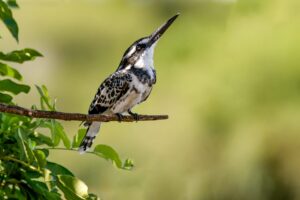
Did you know that Equatorial Guinea is one of the best birdwatching destinations in West Africa? If you’re passionate about nature, photography, or simply looking for a different kind of trip, get ready to look up and fall in love with a sky full of life and color. With over 300 bird species, many of them endemic or hard to find elsewhere in the world, this small country is a gem for birdwatching tourism enthusiasts.
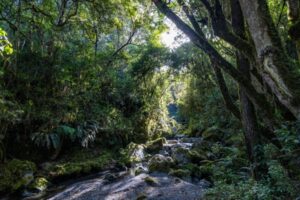
From the misty peaks of Pico Basile to the jungles of Monte Alén and the calm banks of coastal rivers, every corner offers a natural concert of songs, acrobatic flights, and stunning colors.
Read More
Annobonese People

History, Culture and Tradition on Annobon

Annobon, a remote and fascinating island of Equatorial Guinea, boasts a rich history, vibrant culture, and deep-rooted traditions. Influenced by its Portuguese and African heritage, the island’s unique Creole identity is reflected in its language, music, and customs. From traditional dances to community-driven fishing practices, Annobon offers a glimpse into a way of life shaped by resilience and a strong sense of unity.
Read More
``
Rumbo Malabo
Privacy Overview

This website uses cookies so that we can provide you with the best user experience possible. Cookie information is stored in your browser and performs functions such as recognising you when you return to our website and helping our team to understand which sections of the website you find most interesting and useful.